

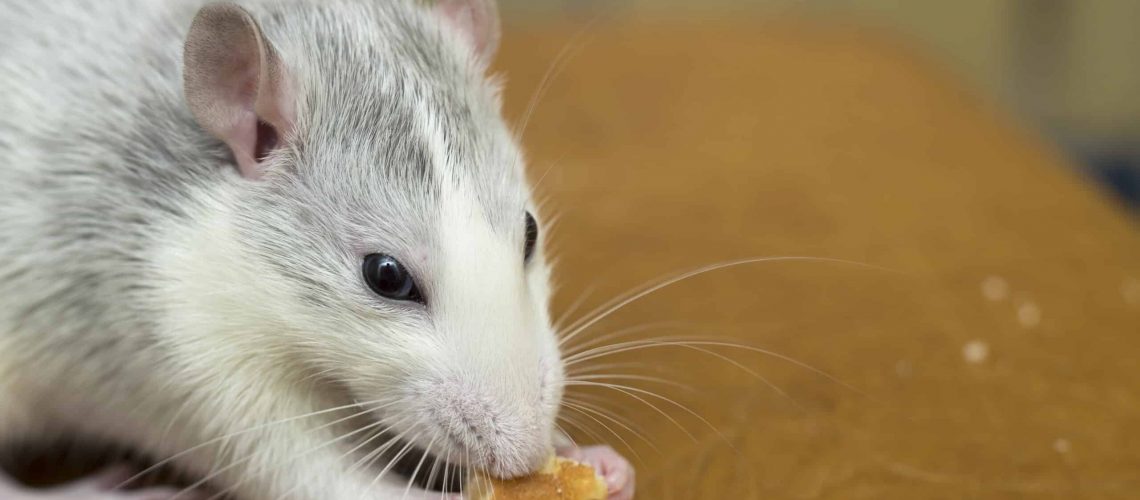
For Washington restaurant owners, identifying the top three pests—rodents, cockroaches, and flies—is critical for maintaining strict state health code compliance and protecting your brand. Failure to address these infestations can lead to immediate health department closures, permanent loss of customer trust, and severe financial penalties that threaten the long-term survival of your business.
As a restaurant owner or manager, you aren’t just in the food business; you’re in the trust business. Your customers trust that every plate leaving your kitchen is safe, and the health department trusts that you are maintaining a sanitary environment.
Pests in restaurants are the fastest way to break that trust. Beyond the “ick factor,” pests carry pathogens that cause foodborne illnesses, lead to failed health inspections, and can even result in immediate closure.
To help you stay proactive, here are the top three pests found in commercial kitchens and, more importantly, what you can do to stop them.
Table of Contents
1. Rodents: The Structural Saboteurs
Rats and mice are the most feared pests in the industry, and for good reason. As mammals, they possess a level of intelligence and adaptability that makes them incredibly difficult to eradicate once they’ve established a nest.
The Biological Threat
Rodents are prolific carriers of pathogens. They are known to spread over 35 different diseases, including Salmonella, Leptospirosis, and Hantavirus. They contaminate food surfaces not just through direct contact, but through their hair, urine, and droppings. Because rodents lack bladders, they are constantly trailing urine as they move, meaning every surface they touch is a potential health hazard.
The Financial and Structural Risk
Rodents are “gnawers.” Their incisors never stop growing, so they must chew on hard materials to file them down. In a restaurant environment, this means:
- Rodents frequently chew through the insulation on wiring behind refrigeration units, leading to shorts and fires.
- Nesting inside the motors of expensive reach-in coolers can cause overheating and mechanical breakdown.
- A single mouse can contaminate an entire pallet of dry goods by chewing through the bottom bags, forcing you to toss hundreds of dollars in inventory.
Identify the Signs of Rodents
- Droppings: Mouse droppings look like small grains of black rice; rat droppings are larger and more capsule-shaped.
- Gnaw Marks: Fresh wood or plastic shavings near floor-level cabinets.
- Rub Marks: Rodents have oily fur. As they travel the same paths along baseboards, they leave dark, greasy smudges.
2. Cockroaches: The Invisible Invaders
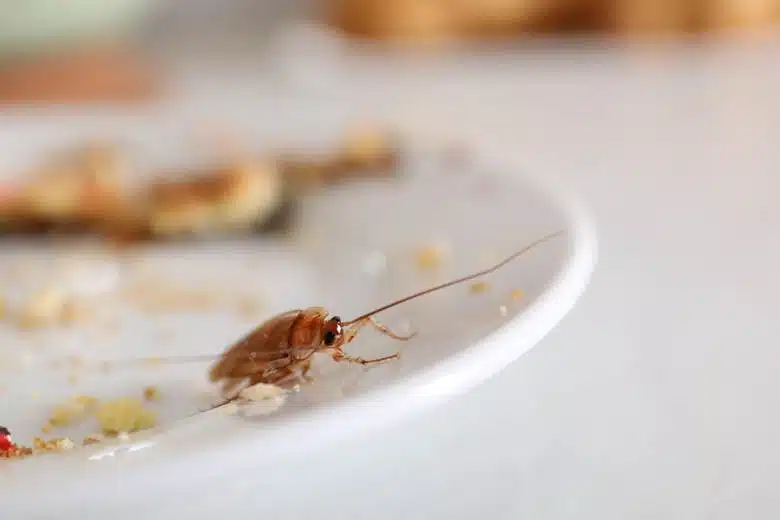
If rodents are the “brute force” attackers, cockroaches are the “special ops” of the pest world. They are masters of concealment, capable of squeezing into cracks as thin as a credit card.
Why Restaurants Are Cockroach Paradises
The modern commercial kitchen is a perfect habitat for the German Cockroach. They require three things to thrive: heat, moisture, and food. Your kitchen provides all three in abundance:
- The Heat: The space behind compressors, ovens, and dishwashers stays warm 24/7.
- The Moisture: Leaky faucets, floor drains, and condensation lines provide a constant water source.
- The Food: Even the most meticulous cleaning leaves behind “bio-film” and microscopic food particles in hard-to-reach crevices.
The Health Inspection Nightmare
Cockroaches are a “high-priority” violation for health inspectors. They carry bacteria like E. coli and Streptococcus on their legs and bodies, transferring them from sewer lines and trash cans directly onto your prep tables and cutting boards. Furthermore, cockroach debris (shed skins and droppings) is a leading trigger for asthma and allergic reactions in both staff and customers.
Professional Cockroach Prevention
Standard “over-the-counter” sprays are often counterproductive. They act as repellents, simply driving the roaches deeper into the walls or into the dining room. Professional Integrated Pest Management (IPM) focuses on baiting and growth regulators that tackle the colony at its source.
Real-World Example
A popular downtown bistro recently found itself at a crossroads when a guest spotted a single cockroach near a reach-in cooler during a busy Friday night.
Rather than ignoring the “one-off” sighting, the owner immediately brought us in to conduct a full forensic audit of the kitchen. Our inspection revealed that while the floors were clean, the motor housings and compressor coils of the refrigeration units had accumulated a thin layer of grease, a “hidden buffet” that was sustaining a small colony.
By implementing a targeted deep-cleaning protocol and sealing several structural gaps around the plumbing, we helped them achieve their highest health inspection score in the restaurant’s history.
Today, the owner uses their commitment to “Gold Standard” hygiene as a selling point in their marketing, transforming a potential PR crisis into a reputation for being the cleanest kitchen in the city.
3. Flies: The Customer Experience Killers
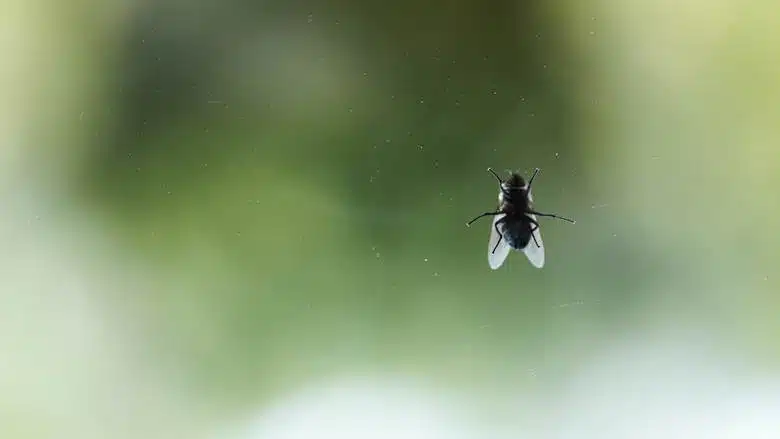
While rodents and roaches hide in the shadows, flies are bold. They hover over tables, land on garnishes, and are immediately visible to your patrons. To a customer, a fly in the dining room is a sign of a “dirty kitchen,” regardless of how clean your prep area actually is.
The Two Main Culprits
- House Flies: Attracted by trash and decaying organic matter. They are highly mobile and enter through open doors or poorly screened windows.
- Small Flies (Fruit & Drain Flies): These are internal breeders. They don’t just “visit” your restaurant; they live there. They lay their eggs in the organic “sludge” that builds up inside floor drains, beverage tap overflows, and under-bar equipment.
The Solution: Drain Hygiene
You can’t “spray” your way out of a fly problem. If you don’t remove the breeding medium (the sludge), the flies will continue to hatch. Fikes specializes in drain treatment and odor control systems that use biological foam to eat away the organic buildup inside your pipes, effectively “starving out” the fly larvae before they ever take flight.
Real-World Example
We got a chance to work with a high-volume sports bar struggling for months with a fruit fly infestation that seemed immune to traditional treatments. The manager was spending hundreds of dollars on “fogging” and surface sprays that would kill the adult flies overnight, only for a new generation to appear by the next afternoon.
When one of our technicians performed a deep-site audit, they discovered the “ghost” source: the flies weren’t coming from the trash cans, but were breeding in the organic “sugar-sludge” deep inside the beer tap overflow lines and floor drains.
By switching from ineffective chemical sprays to a biological microbial foam that actually “ate” the organic buildup in the plumbing, we were able to eliminate the breeding ground. The fly population vanished within two weeks, and the bar significantly reduced its annual pest control spend by ending the cycle of reactive, temporary fixes.
What is the “Room-by-Room” Pest Audit?
To truly protect your facility, you must think like a pest. Walk through your restaurant and look for these specific vulnerabilities:
- The Loading Dock & Receiving Area—This is the “front door” for pests. Many infestations start when roaches or rodents are “hitchhiking” on cardboard deliveries from vendors. Inspect every box before it enters the kitchen. Break down cardboard immediately and move it to the outdoor recycling bin.
- Dry Storage—Keep all food at least 6 inches off the floor and 12 inches away from walls. This “gap” allows for easy inspection and removes the “hidden” corridors rodents love.
- The Dishwashing Station—This is the highest moisture area in the building. Check for leaks under sinks daily. Ensure the area behind the dish machine is deep-cleaned weekly to prevent the buildup of food debris and standing water.
| Pest Type | Primary “Hot Spots” | Warning Signs | Major Risk Factor |
| Rodents | Dry storage, behind baseboards, near dumpster pads. | Capsule-shaped droppings, gnaw marks, greasy rub marks along walls. | Structural damage (chewed wires) and spread of 35+ diseases. |
| Cockroaches | Behind reach-in coolers, motor housings, under dish sinks. | Pepper-like specks (droppings), discarded skins, musty/oily odor. | High-priority health code violation; triggers for asthma/allergies. |
| Flies | Floor drains, soda fountain overflows, ripening produce. | Active hovering in front-of-house, “sludge” buildup in drains. | Immediate customer “ick” factor and rapid bacteria transfer to food. |
Why is Deep Cleaning the Ultimate Pest Prevention?
Many managers view “cleaning” and “pest control” as two separate departments. In reality, they are the same thing. A pest control professional can put out all the bait in the world, but if there’s a competing food source, like grease behind a fryer, the pests will ignore the bait.
This is why kitchen deep cleaning is the foundation of any successful pest program. By removing the carbon buildup on equipment and the grease “bio-film” from floors and walls, you are removing the primary food source for cockroaches and flies.
Why isn’t a “DIY” Approach Enough for Commercial Kitchens?
Health inspectors are looking for evidence of a professional pest management plan. In a high-volume restaurant, “off-the-shelf” traps and sprays only treat the symptoms, not the cause. A professional partner like Fikes provides:
- Comprehensive Audits: Identifying entry points you might miss.
- Integrated Pest Management (IPM): Using science-based methods that are safe for food-handling environments.
- Documented Compliance: Providing the paperwork you need to show inspectors you are proactive.
Protect Your Restaurant from the Top 3 Pests in Restaurants
A single pest sighting on social media can do years of damage to your brand. Protect your kitchen, your staff, and your customers with a customized hygiene and pest prevention plan.
Book a Free Facility Assessment with Fikes Today or call us at (800) 900-1083 to ensure your restaurant remains pest-free.