
Washington restaurant owners must view pest control as the ultimate safeguard for their brand reputation and operational survival. Implementing a rigorous “Zero-Tolerance” strategy prevents the industry’s greatest fear, a public health code violation, by eliminating the biological attractions that draw pests into a commercial kitchen, ensuring long-term safety and compliance with state regulations.
A single sighting of a cockroach or rodent in a dining room can dismantle decades of hard-earned culinary prestige in the span of a single social media post.
While many operators view the occasional pest as an inevitable byproduct of the food service industry, the modern regulatory and digital landscape leaves no room for such complacency.
Washington health inspectors maintain a high bar for sanitation, and the presence of pests serves as the primary catalyst for immediate facility closures. Moving toward a “Zero-Tolerance” pest control framework requires shifting the focus from reactive extermination to a comprehensive model of risk mitigation.
This strategy acknowledges that a commercial kitchen remains a living ecosystem where every crumb, grease deposit, and moist drain acts as an invitation for infestation.
Table of Contents
What is the Cost of Infestation in a Restaurant?
The immediate reaction of a customer seeing a pest is a visceral sense of disgust that no amount of free appetizers or apologies can fix.
Beyond the loss of a single patron, the financial implications of a failed health inspection include heavy fines, mandatory closures, and the astronomical cost of legal remediation. Washington business owners operate in a competitive market where a “Shut Down by Health Department” sign on the front door acts as a permanent stain on the business.
Professional restaurant pest control WA serves as a form of insurance, protecting the massive capital investment required to run a successful eatery. Maintaining a pest-free environment signals to both staff and customers that leadership prioritizes health and safety above all else.
Why is Standard Kitchen Cleaning Not Enough?
Many managers believe that a standard nightly “close-down” routine provides sufficient protection against pests.
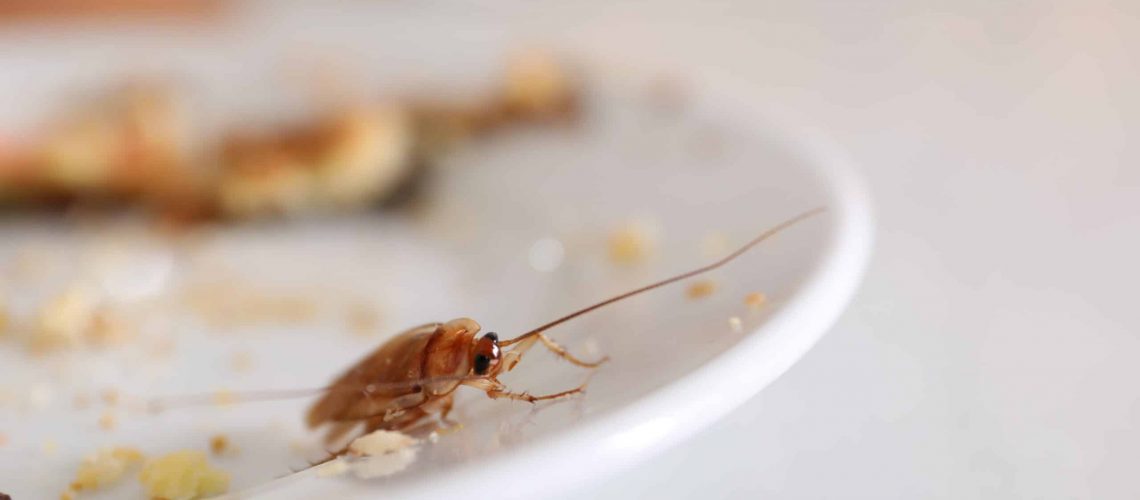
Unfortunately, standard cleaning can leave behind the very substances that pests crave: hidden grease under heavy equipment and organic sludge inside floor drains. Pests require three things to thrive: food, water, and harborage. And a kitchen that looks clean to the human eye can still provide a feast for a colony of German cockroaches.
Effective food service IPM (Integrated Pest Management) identifies these hidden vulnerabilities before they become a crisis. Relying on basic janitorial skills to manage a complex biological threat usually results in a cycle of recurring infestations.
What is Integrated Pest Management?
The transition from traditional “spray and pray” methods to a managed service mindset begins with Integrated Pest Management.
This methodology focuses on the biology of the pests themselves, using data and environmental changes to make the kitchen uninhabitable for them.
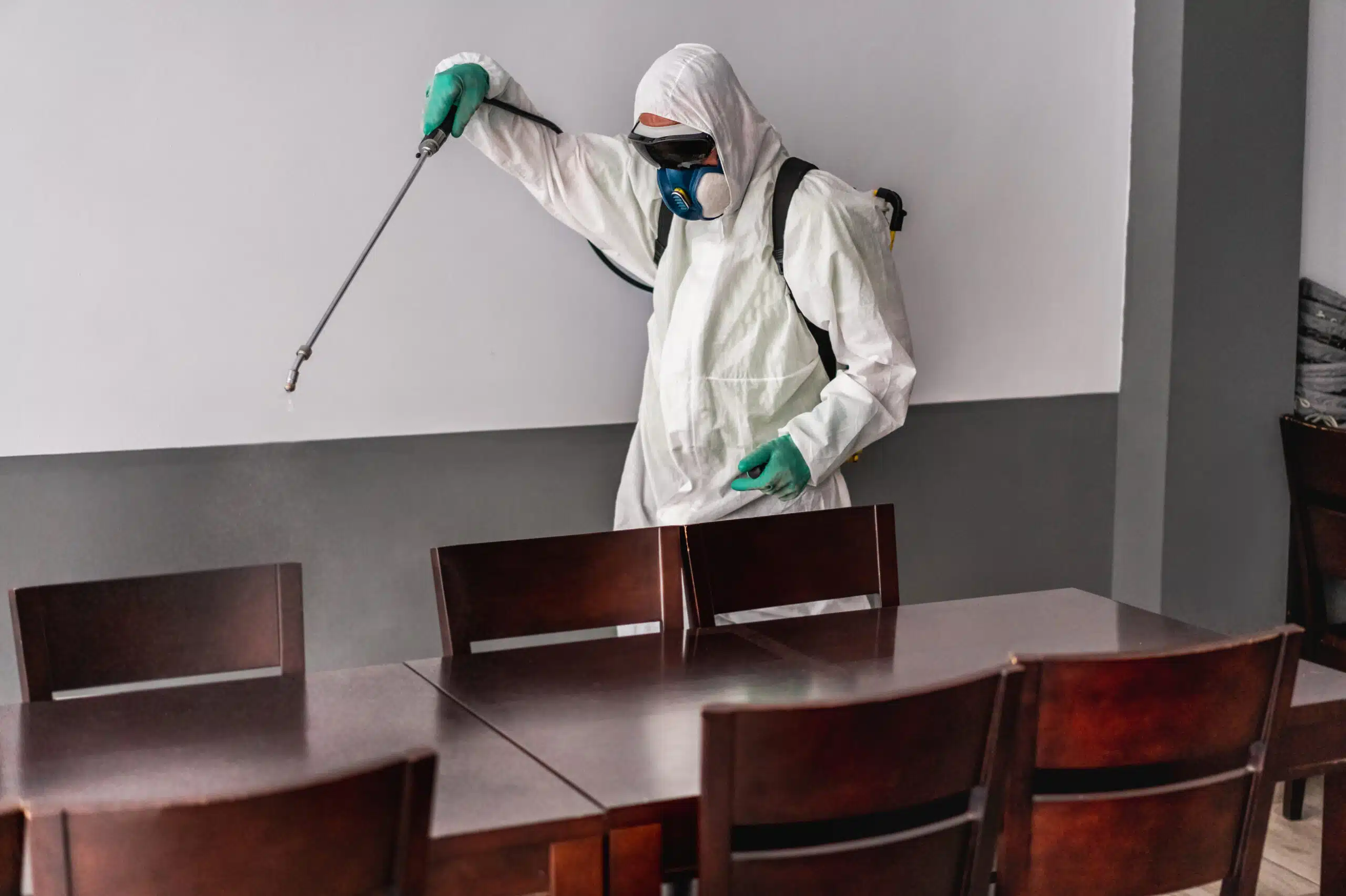
Instead of simply applying chemicals, a technician analyzes the flow of the building, checking for structural gaps and moisture traps. This technical rigor ensures that the root causes of an infestation receive treatment, rather than just the visible symptoms.
By altering the environment, the need for heavy pesticide application diminishes, creating a safer space for food preparation and staff.
How Do Sanitation and Prevention Work Together in Pest Control?
A significant portion of pest issues originate in the areas that staff find most difficult to clean. Grease traps, floor drains, and the undersides of prep tables harbor the organic films that sustain life for flies and roaches.
Without professional commercial kitchen sanitation, even the best pest control efforts will eventually fail because the “food” remains available.
Fikes specializes in bridging this gap by treating the kitchen as a holistic system where sanitation and pest prevention work in tandem. Removing the grease and organic buildup at the source effectively starves the pest population.

Compare DIY Cleaning vs. Fikes Kitchen Cleaning
Understanding the distinction between traditional cleaning and a technical managed cleaning service requires looking beyond the surface of the stainless steel.
While a dedicated kitchen crew can maintain visible order, they often lack the specialized chemical delivery systems and biological knowledge required to eradicate deep-seated pest attractants.
The following breakdown illustrates how the Fikes approach transforms a reactive “cleanup” into a sophisticated, defensive ecosystem designed to withstand the rigors of high-volume food service.
| Feature | Standard DIY Kitchen Cleaning | Fikes Managed Sanitation & IPM |
| Drain Health | Superficial Scrubbing | Deep Bio-Active Digestion |
| Grease Management | Visible Surface Wipe | Deep-Extraction Degreasing |
| Pest Philosophy | Reactive Baiting/Spraying | Structural & Biological Exclusion |
| Compliance Risk | High (Human Error) | Low (Professional Documentation) |
| Long-Term Cost | Variable (Crisis-Based) | Predictable (Risk-Based) |
Shifting to a managed cleaning model ensures that your kitchen remains compliant with Washington health codes regardless of staff turnover or seasonal shifts.
What is the Lifecycle of Commercial Pests?
Understanding the reproductive speed of common kitchen pests highlights why a “zero-tolerance” policy is the only logical choice.
A single female cockroach can produce hundreds of offspring in a matter of months, meaning a “small problem” today becomes a catastrophic failure by next week.
Consistent monitoring and intervention disrupt these lifecycles before they reach a tipping point. Professional technicians use specialized tools to detect activity in walls and voids that are inaccessible to the kitchen crew. This level of oversight provides a layer of security that a simple mop and bucket provide.
What is the Role of Professional Drainage Maintenance in Restaurant Kitchen Cleaning?
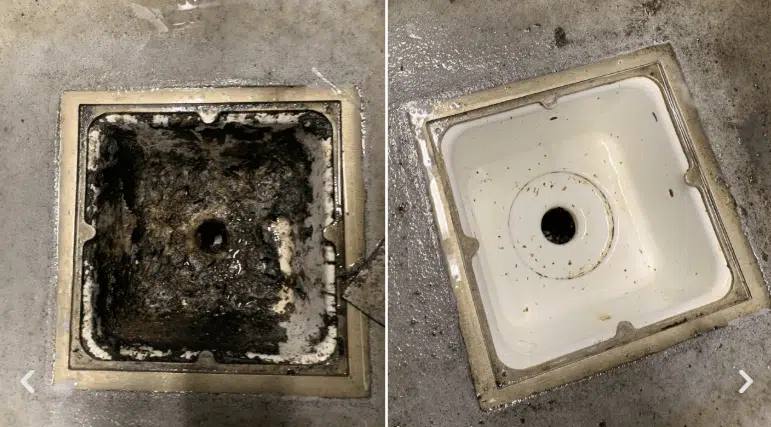
Drains represent the most common failure point in restaurant sanitation, yet they remain frequently overlooked. Fruit flies and drain flies breed in the gelatinous “biofilm” that accumulates in pipes, creating a persistent nuisance that irritates guests and signals poor hygiene.
Automating the health of your drainage system eliminates one of the most stubborn pest vectors in the food service industry.
Real-World Example
A trendy bistro in Seattle’s Capitol Hill neighborhood struggled with a persistent fruit fly problem that localized around the bar and open kitchen. The staff spent hours every night scrubbing the floors and using vinegar traps, yet the flies returned every afternoon. During a free assessment, we realized that while the floors were clean, the organic “bio-film” inside the floor drains was acting as a massive nursery for larvae.
By switching to our food service IPM strategy that included commercial kitchen sanitation for the drainage system, the bistro moved away from reactive “DIY” scrubbing. Our professional team applied bio-active foam that digested the sludge inside the pipes.
Within 48 hours, the breeding ground was eliminated, and the “ghost” of the fruit fly infestation vanished, ensuring the bistro passed its follow-up inspection with a perfect score.
What is Your Staff’s Role in Pest Control?
Pests often enter a facility through the back door, literally, via shipments of produce or dry goods. A managed cleaning service includes training and protocols for staff to inspect incoming deliveries and manage trash disposal correctly.
When employees understand how their actions impact the “zero-tolerance” goal, the entire culture of the kitchen shifts toward higher standards. Simple habits, like keeping back doors closed and rinsing out recycling bins, act as powerful barriers against infestation.
A professional partner provides the oversight and education needed to keep these habits sharp over time.
What’s the Best Way to Manage a Pest Problem?
The best way to manage a pest problem is to ensure it never enters the building in the first place.
This involves a process called “exclusion,” where technicians seal the tiny cracks, crevices, and utility penetrations that serve as pest highways. Even a gap the size of a dime provides enough space for a rodent or a colony of ants to gain access to the warmth of your kitchen.
Securing the perimeter of the building reduces the reliance on internal treatments and creates a fortress-like defense against the outside world.
Real-World Example
A large fusion restaurant in Tacoma started seeing signs of rodent activity in the dry storage area despite having a standard pest contract that used basic bait stations. The kitchen was visually spotless, but the rodents continued to find their way inside.
One of our deep-dive audits revealed that a small utility penetration behind the heavy walk-in cooler, which is invisible during a standard sweep, was serving as a “highway” from the alleyway into the pantry.
We implemented a “Zero-Tolerance” exclusion plan, sealing the structural gaps with industrial-grade materials and deep-cleaning the grease buildup behind the equipment that had been masked by the cooler’s footprint.
This shift to a managed ecosystem stopped the entry of new pests and removed the scent trails that drew them in. The restaurant owner avoided a catastrophic public health code violation and transformed their back-of-house culture into a model of restaurant pest control WA excellence.
Why is it Important to Have Documentation of Pest Control Services?
In the event of a health inspection, having a digital trail of professional pest control and sanitation services serves as a powerful defense.
It demonstrates to the inspector that you take your responsibility seriously and have a system in place for corrective action.
Professional reports provide data on pest sightings, sanitation scores, and structural recommendations that show a commitment to excellence. This transparency builds trust with regulatory agencies and can prevent minor issues from escalating into major violations.
Organized records are just as important as a clean floor when it comes to passing a Washington health audit.
What is the Goal of a “Zero-Tolerance” Pest Control Strategy?
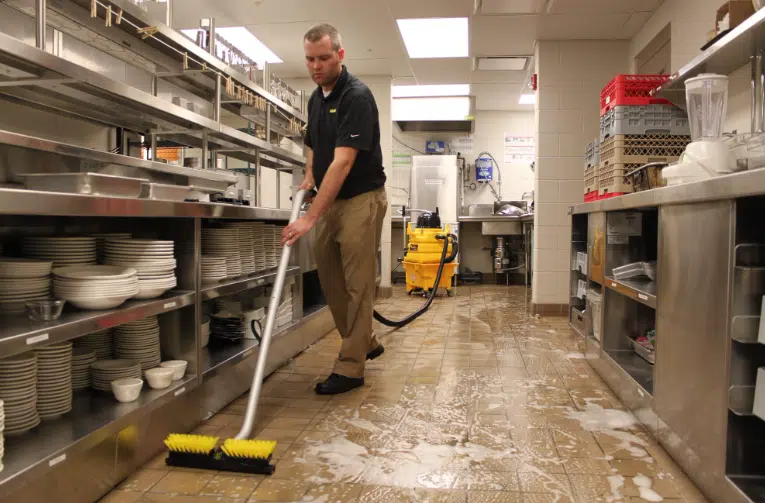
Ultimately, the goal of a “Zero-Tolerance” strategy is to ensure that the guest never has to think about pests or sanitation. A clean-smelling, pest-free environment allows the food and the atmosphere to take center stage.
When a restaurant operates with a managed service mindset, the staff feels more confident, and the air of professionalism is palpable. The investment in high-level hygiene pays dividends in the form of glowing reviews and loyal, repeat customers.
A pristine kitchen is the silent engine that drives a successful restaurant brand.
Who Can Do Commercial Kitchen Cleaning in Washington?
Fikes stands alone as a partner capable of managing the entire ecosystem of a commercial kitchen through a unified service model.
By combining specialized sanitation with advanced pest control, we eliminate the finger-pointing that happens when different vendors manage different parts of the facility. Our team understands the unique pressures of the Washington food service market and provides the technical expertise to keep kitchens running smoothly.
From grease removal to high-level IPM, our service ensures that every square inch of your facility meets the “zero-tolerance” standard. Entrusting these critical tasks to us allows you to focus on your craft while maintaining total peace of mind regarding your health inspections.
Secure Your Restaurant with A “Zero-Tolerance” Strategy for Pest Control
Washington restaurant owners have too much at stake to leave their reputation to chance or subpar janitorial routines. Moving to a professional, integrated model provides the security needed to thrive in a demanding industry.
It’s time to stop reacting to pests and start preventing them through a scientific, managed approach.
Fikes is ready to help you implement a “Zero-Tolerance” strategy that protects your business from the ground up. Book a free assessment to receive a comprehensive look at your current risks and a roadmap for total kitchen health.
Let the experts handle the science of sanitation and the rigors of pest control so you can lead your team with confidence.