


Your Colorado apartment building smells like a trash chute in August because summer heat accelerates bacterial growth inside the chute’s organic residue, releasing sulfur and ammonia compounds into hallways and common areas. Air fresheners mask the odor temporarily, but eliminating the source through professional chute cleaning removes the smell for good.
Walk down a hallway on a hot August evening, and you might catch a smell that makes residents pause before they reach their own front door.
You’ve tried the air fresheners in the trash room. You’ve asked your cleaning crew to double up near the chute intakes. But the odor keeps returning, almost like clockwork, every summer. That pattern isn’t a coincidence, and it doesn’t mean your building has some unsolvable design flaw.
This post walks through the science behind why heat turns your trash chute into an odor source, the warning signs worth tracking across a multi-family property, and the difference between masking the smell and removing it entirely.
Why Does Trash Chute Odor Get So Much Worse in Summer Heat?
Bacteria responsible for breaking down organic waste inside your trash chute multiply far faster once temperatures climb above 75 degrees.
Colorado’s summer months push interior chute temperatures well past that threshold. This happens especially in chutes that run along sun-exposed exterior walls or sit near rooftop mechanical equipment common in mid-rise and high-rise buildings.
As bacteria feed on food waste, packaging residue, and moisture trapped along the chute’s interior walls, they release hydrogen sulfide and ammonia gases as byproducts. Those gases carry the sharp, sour smell residents associate with a trash chute, and in a multi-family building, that smell travels through shared hallways on every floor the chute passes.
Humidity makes the problem even worse. Colorado’s dry winters keep chute odor relatively contained, but summer’s occasional humidity spikes, combined with air conditioning condensation dripping into chute shafts, create the moist environment bacteria need to thrive.
A chute that seemed fine in April can turn into a serious odor source by July, right as residents start leaving windows and doors open for longer stretches and the smell has more chances to spread.
What Signs Tell You the Odor Comes From Buildup Rather Than a One-Time Spill?
A trash chute doesn’t smell because one resident left a bag of takeout containers inside for an afternoon. Persistent, recurring odor points to residue that’s accumulated along the chute walls over months, sometimes years, layering into a biofilm that continues releasing gas long after the original trash has been removed.
Distinguishing a buildup problem from a temporary one saves you time and points you toward the right fix, especially in a building where dozens or hundreds of units share the same chute.
Signs that buildup, not a one-time incident, drives your trash chute odor include:
- The smell returns within hours of cleaning, even after staff wipe down visible surfaces near chute doors
- Odor intensity tracks closely with outdoor temperature, worsening on the hottest days
- Multiple floors along the chute report the smell, rather than a single trash room
- Visible staining or residue appears along interior chute walls when inspected with a flashlight
- The odor carries a sour, sulfur-like quality rather than a simple garbage smell
Each of these signals points toward organic material embedded in the chute’s structure, a problem that surface cleaning alone rarely resolves.
Real-World Example
A twenty-story apartment tower in downtown Denver had residents on multiple floors filing odor complaints within the same week each August, despite a nightly cleaning crew wiping down every trash room.
Property management assumed a plumbing issue and brought in a plumber. But the plumber found nothing wrong with the building’s waste lines. When the property manager called us, our team inspected the trash chute itself and found nearly a decade of accumulated residue coating the shaft’s interior walls, concentrated at bends where waste bags routinely struck the surface on the way down.
We ran a full-length high-pressure cleaning and applied our enzyme-based odor control treatment along the entire chute, then set the building up on a quarterly service schedule. The complaints stopped within days, and they haven’t returned each summer since.
What DIY Steps Can You Take to Manage Odor Between Professional Cleanings?
You have more influence over chute odor than you might think, even without specialized equipment. Consistent habits, applied by your maintenance and cleaning staff, slow bacterial growth and keep odor manageable between deeper cleaning cycles.
Habits worth building into your trash chute maintenance routine include:
- Running exhaust fans connected to the chute system continuously during peak summer hours rather than on a timer
- Reminding residents to double-bag food waste before it enters the chute, through signage or a resident newsletter
- Wiping down chute intake doors and surrounding surfaces on every floor daily with an enzyme-based cleaner rather than a standard disinfectant
- Checking chute room and compactor room humidity levels weekly and addressing condensation sources like nearby air conditioning units
- Scheduling trash removal often enough that waste doesn’t sit in the chute or compactor room overnight during hot stretches
These habits reduce the food source available to odor-causing bacteria and buy you time between professional service visits, though they rarely resolve buildup that’s already established itself along chute walls.
How Do Standard Cleaning Methods Compare to Targeted Odor Elimination?
Most in-house cleaning approaches address the surface of the problem rather than the source.
Air fresheners and standard disinfectant wipe-downs offer short bursts of relief, but they leave the underlying residue untouched, which means the smell resurfaces within a day or two, particularly during a heat wave.
| Method | Reaches Deep Residue | Odor Relief Duration | Labor Required | Best Suited For |
|---|---|---|---|---|
| Air freshener or masking spray | No | Hours | Low | Temporary cover for a single event |
| Standard disinfectant wipe-down | No | 1–2 days | Moderate, daily | Surface-level cleanliness |
| Bleach-based cleaning | Partial | 3–4 days | High, staff time | Visible stain removal |
| Exhaust fan and ventilation adjustments | Partial | Ongoing while running | Low, one-time setup | Reducing humidity buildup |
| Professional chute cleaning and odor control | Yes | 60–90 days | Minimal, scheduled service | Long-term source elimination |
Ultimately, cleaning options within reach of your in-house team manage symptoms, not the underlying cause. Targeted trash chute cleaning removes accumulated residue mechanically, then applies odor control treatment designed to prevent bacterial regrowth along chute walls for months at a time.
Real-World Example
A mid-rise apartment complex in Colorado Springs was getting complaints from residents on the lower floors near the trash room every August about a foul smell drifting into the courtyard and lobby.
Management thought the issue was traced back to the outdoor dumpster area and adjusted trash pickup schedules. But the smell persisted anyway.
We came in, did an inspection, and found that the trash chute connected to a vertical shaft that ran the full height of the building had heavy buildup concentrated near a junction point on the third floor.
We cleared the blockage, treated the full shaft length with our odor control system, and installed monitoring access points so future service visits could check buildup levels without a full teardown.
Resident complaints dropped off within a week, and the property manager now schedules a service visit each spring before Colorado’s temperatures climb.
Why Does Fikes’ Odor Control Approach Outperform Standard Cleaning?
At Fikes, we bring your community a trash chute cleaning process built specifically for the buildup that drives summer odor complaints in multi-family buildings.
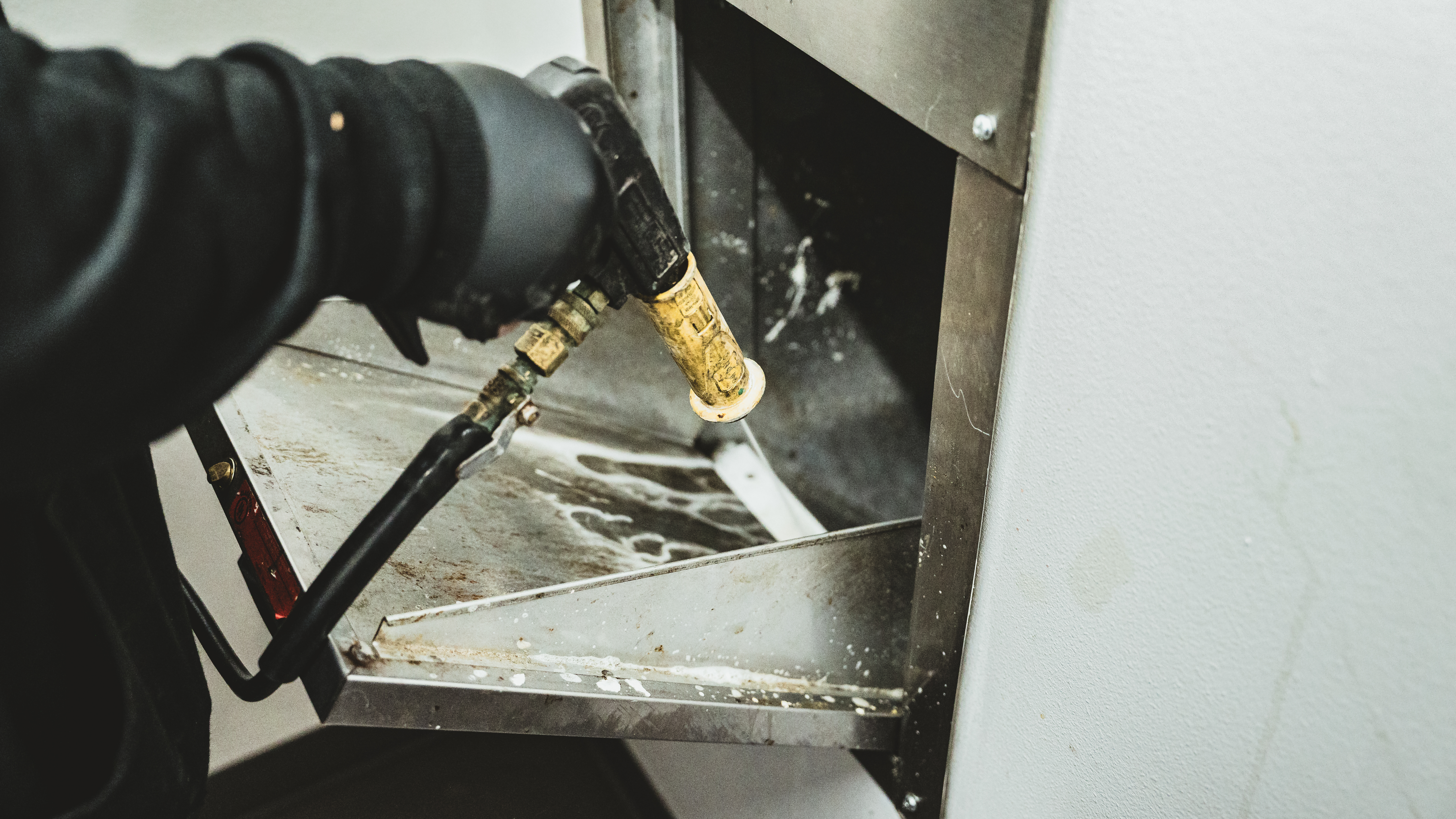
Rather than covering the smell with fragrance or relying on a quick wipe-down, our commercial trash chute cleaning combines high-pressure washing with an enzyme-based odor control treatment that breaks down organic residue at its source and slows bacterial regrowth for months.
Our odor control services extend beyond a single cleaning visit: as a facility services and product provider serving Colorado apartment communities, condominiums, and mixed-use residential buildings, we pair chute cleaning with high-volume ventilation assessments, so airflow through your chute system works with the treatment rather than against it.
Our approach fits alongside the daily habits your staff can manage on their own. Exhaust fans and resident reminders about double-bagging waste are valuable steps, but pairing them with a scheduled trash chute odor control visit from us closes the gap that daily maintenance leaves behind.
If your building keeps smelling like a trash chute every August despite your team’s best efforts, that combination delivers a result that actually lasts through the season.
What Should You Do With Your Trash Chute Before Colorado’s Next Heat Wave Arrives?
Summer heat will return to Colorado every year. So will the bacterial growth driving your chute odor, unless the underlying buildup gets addressed.
Communities that manage this well treat chute maintenance as a seasonal certainty, scheduling a cleaning before temperatures climb rather than reacting once residents start complaining or reviews start reflecting it. Daily habits buy you time, but residue that’s built up over months or years sits beyond the reach of a wipe-down or air freshener.
Book an assessment with us today so that we can help your apartment community stay odor-free through the hottest months of the year, one chute and one season at a time.