


Commercial kitchen fruit flies spike each August because warm temperatures accelerate fermentation in organic drain buildup, creating breeding grounds within hours. DIY preventative maintenance slows the cycle, but advanced biological treatment from trained professionals removes the organic matter at its source for lasting control.
A single warm week can turn your quiet commercial kitchen into a fruit-fly nursery. Ask yourself what changes between June and August, and the answer rarely stops at the weather.
Foot traffic climbs, produce deliveries arrive more often, and the drains beneath every prep station start working overtime. Somewhere in that combination sits a biological trigger you might never see coming: temperature.
We’ll break down the science behind that seasonal spike, connect it to organic buildup hiding in your commercial drains, and lay out the maintenance steps that keep it in check, along with the point where a professional solution becomes worth the investment.
Table of Contents
Why Does a Ten-Degree Temperature Swing Change Everything in Your Kitchen?
Fruit flies, scientifically known as Drosophila melanogaster, reproduce at a pace tied directly to ambient warmth.
A single female lays up to 500 eggs across her short lifespan. Those eggs hatch into breeding adults in as little as eight days once the surrounding environment reaches the mid-80s Fahrenheit.
Your kitchen’s hot equipment, dish pits, and walk-in coolers with warm exhaust zones create exactly that climate, especially through Washington’s summer months, when outdoor heat compounds indoor equipment output.
This rapid life cycle means a small population you notice on Monday can multiply into a visible infestation by Friday. Understanding the science behind that timeline gives you a real chance to interrupt the cycle before it spirals.

What Draws Commercial Kitchen Fruit Flies to Your Drains in the First Place?
Fruit flies rarely gather in your kitchen because of visible produce alone. Their true attraction lives inside your plumbing, where grease, food particles, and moisture combine to form a sticky biofilm along drain walls. This organic layer ferments as temperatures rise, releasing the exact scent that draws fruit flies from blocks away and gives them a warm, moist surface on which to lay eggs.
A drain that looks clean from above can still carry a thriving colony of larvae just below the strainer. That gap between appearance and reality explains why you might struggle with recurring infestations despite regular mopping and surface cleaning. The problem lives where your routine cleaning tools rarely reach.
Common warning signs that your organic buildup has reached a critical stage include:
- Small flies clustering near floor drains, mop sinks or garbage disposals during closing hours
- A faint sour or fermented odor near drain openings that intensifies in the afternoon heat
- Visible film or residue coating the inside walls of a drain when you check it with a flashlight
- Fly activity that returns within days of a standard cleaning, even after surface treatment
Each of these signals points to the same root cause: organic material sitting inside your drain line long enough to ferment and attract egg-laying adults.
Real-World Example
A mid-sized café in Seattle’s Central District spent three consecutive summers battling fruit fly complaints from customers seated near the espresso bar. Staff assumed the culprit was a fruit display near the register and rotated stock daily. But the flies persisted through every August.
When the café brought us in, our team traced the source to a floor drain beneath a rarely moved beverage cooler, where years of syrup residue and coffee grounds had built a thick biofilm along the pipe walls. We applied a targeted biological treatment to break down that buildup and set the café up on a recurring service schedule to keep the drain from reaching that point again.
This café’s experience illustrates a pattern worth remembering for your own kitchen: visible fly activity almost never marks the true source, and restaurant pest control tips focused only on food storage miss the plumbing entirely.
What DIY Steps Can You Take to Mitigate Commercial Kitchen Fruit Flies Before Calling a Professional?
You hold more control over summer fruit fly activity in your kitchen than you might realize. A handful of consistent habits, applied daily rather than occasionally, slow the breeding cycle and buy you time before a full biological treatment becomes necessary.
Effective daily and weekly habits to control commercial kitchen fruit flies include:
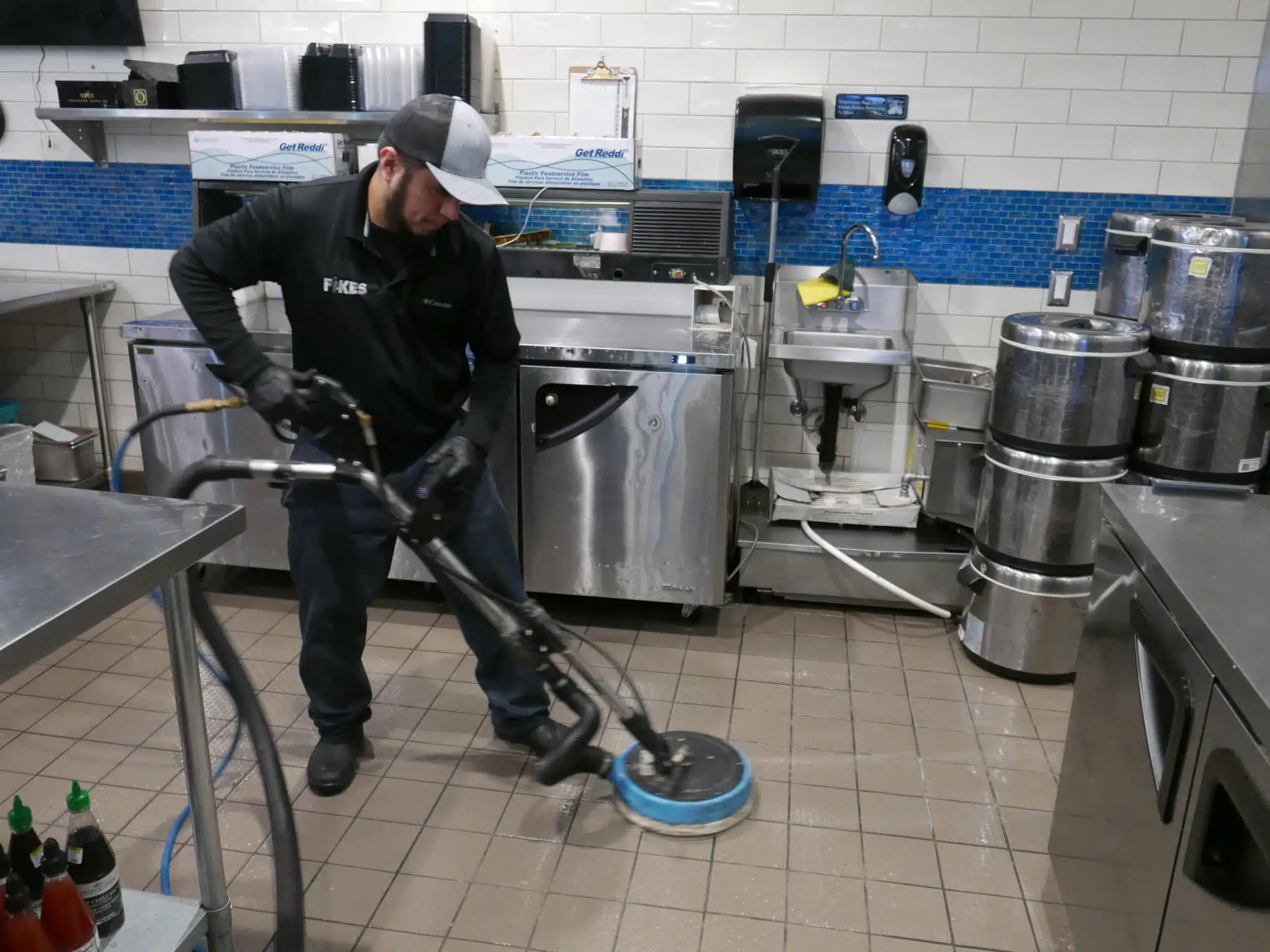
- Running a stiff drain brush along the interior walls of your floor drains at least twice weekly to physically disturb biofilm before it hardens
- Flushing drains nightly with hot water to reduce standing moisture that fruit flies rely on for egg-laying
- Emptying and rinsing garbage disposals and grease traps on a set schedule rather than waiting for visible buildup
- Sealing unused floor drains with mesh covers when equipment sits idle for extended periods
- Storing ripe produce in sealed containers or refrigeration rather than open bins near prep stations
- Wiping down beverage nozzles, syrup lines and soda gun holsters, which trap sugar residue that mirrors drain buildup
These habits, when you follow them with real consistency, reduce the food source available to breeding flies and slow population growth considerably. Restaurant pest control tips like these form a reasonable first line of defense, particularly if you’re managing a tight budget during peak summer service.
How Much Organic Buildup Can Standard Cleaning Actually Remove?
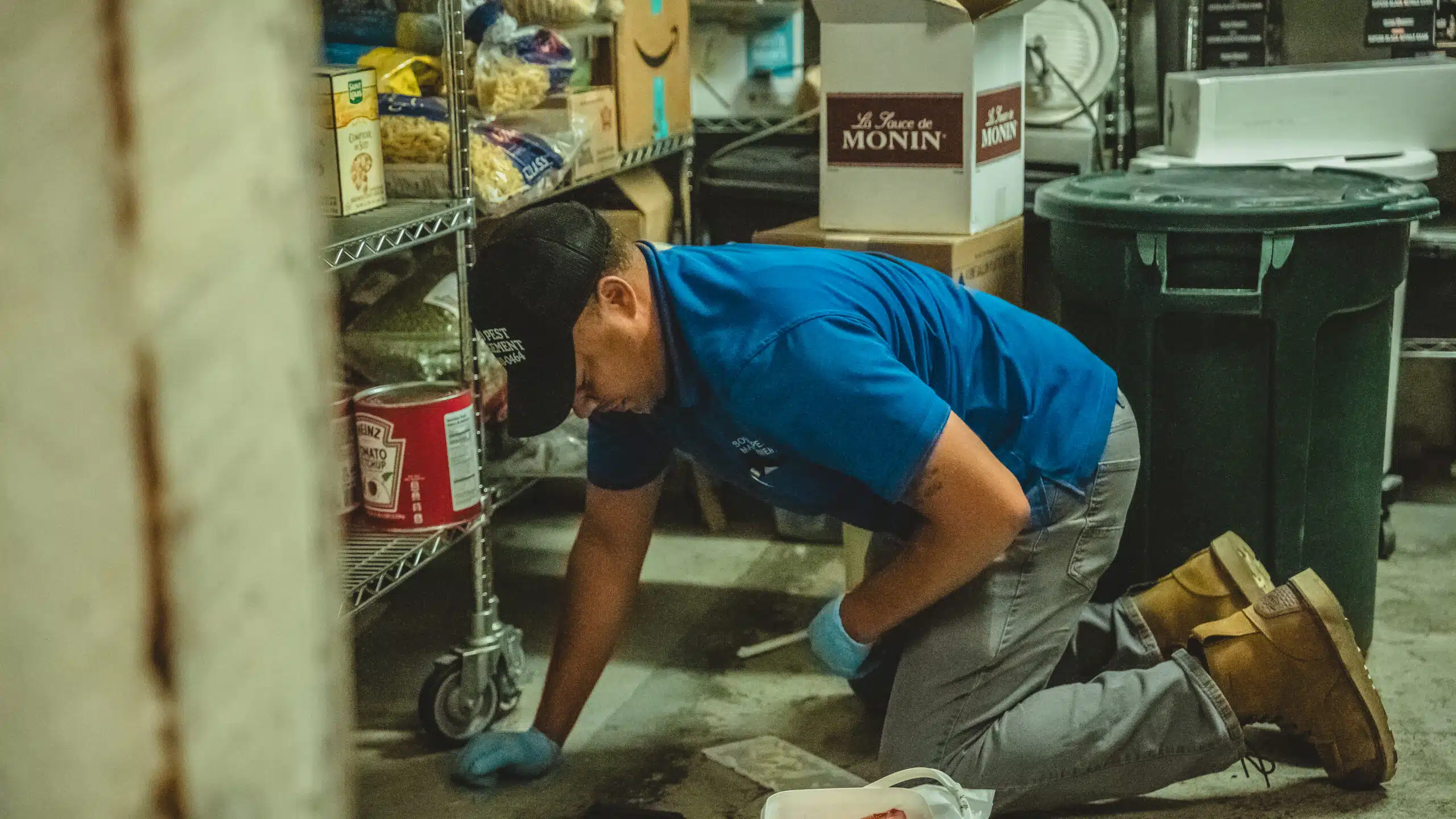
Even your most disciplined cleaning schedule reaches a limit. Standard degreasers and hot water flushes address the surface layer of a drain but rarely dissolve the deeper biofilm that forms along bends, joints, and areas outside a mop sink’s reach.
This gap between routine cleaning and true organic drain buildup removal explains why you might see fruit flies return within a week or two, even after a thorough scrub.
| Method | Reaches Deep Biofilm | Effect Duration | Labor Required | Best Suited For |
| Hot water flush | No | 1–2 days | Low, nightly | Daily maintenance between deep treatments |
| Store-bought drain foam | Partial | 3–5 days | Moderate | Minor odor control |
| Manual brushing | Partial | 5–7 days | High, staff time | Physically accessible drain sections |
| Chemical drain cleaner | Partial, can damage pipes | 1 week | Low | Emergency clogs, not biofilm removal |
| Advanced biological treatment | Yes | 30+ days | Minimal, scheduled service | Long-term organic buildup elimination |
This cleaning type comparison makes a clear case. Methods within your reach as kitchen staff manage symptoms rather than the underlying cause.
Biological treatment applies enzyme and bacterial formulas designed to break down organic material at a molecular level, reaching sections of your drain piping that a brush or foam product physically can’t access.
Real-World Example
A family-owned restaurant along the I-5 corridor followed a strict nightly cleaning checklist through two full summers. Still, fruit fly complaints returned every August like clockwork.
Management assumed staff had grown lax with the routine and tightened supervision, only to see the same pattern repeat.
They called us in, and we identified a thirty-foot drain run beneath the dish pit where grease and food particles had accumulated far past the reach of any brush or hose. We treated the full length of that line with our biological formula and scheduled follow-up visits to monitor it, and the seasonal fly activity that had frustrated three consecutive summers stopped returning.
Sometimes, the fix sits further down the line than daily habits can reach.

Why Does Advanced Biological Treatment Deliver Results DIY Methods Can’t Match?
At Fikes, we bring your commercial kitchen a treatment approach built specifically for the organic buildup that drives summer fruit fly activity.
Rather than masking odors or offering short-term suppression, our biological drain treatment introduces targeted enzyme and bacterial cultures that consume grease, protein and sugar residue lining your pipe walls, breaking the fermentation cycle that draws flies in the first place.
As a facility services and product provider serving Washington commercial kitchens, we pair this treatment with scheduled service visits, so your buildup never reaches the level that triggers a visible infestation.
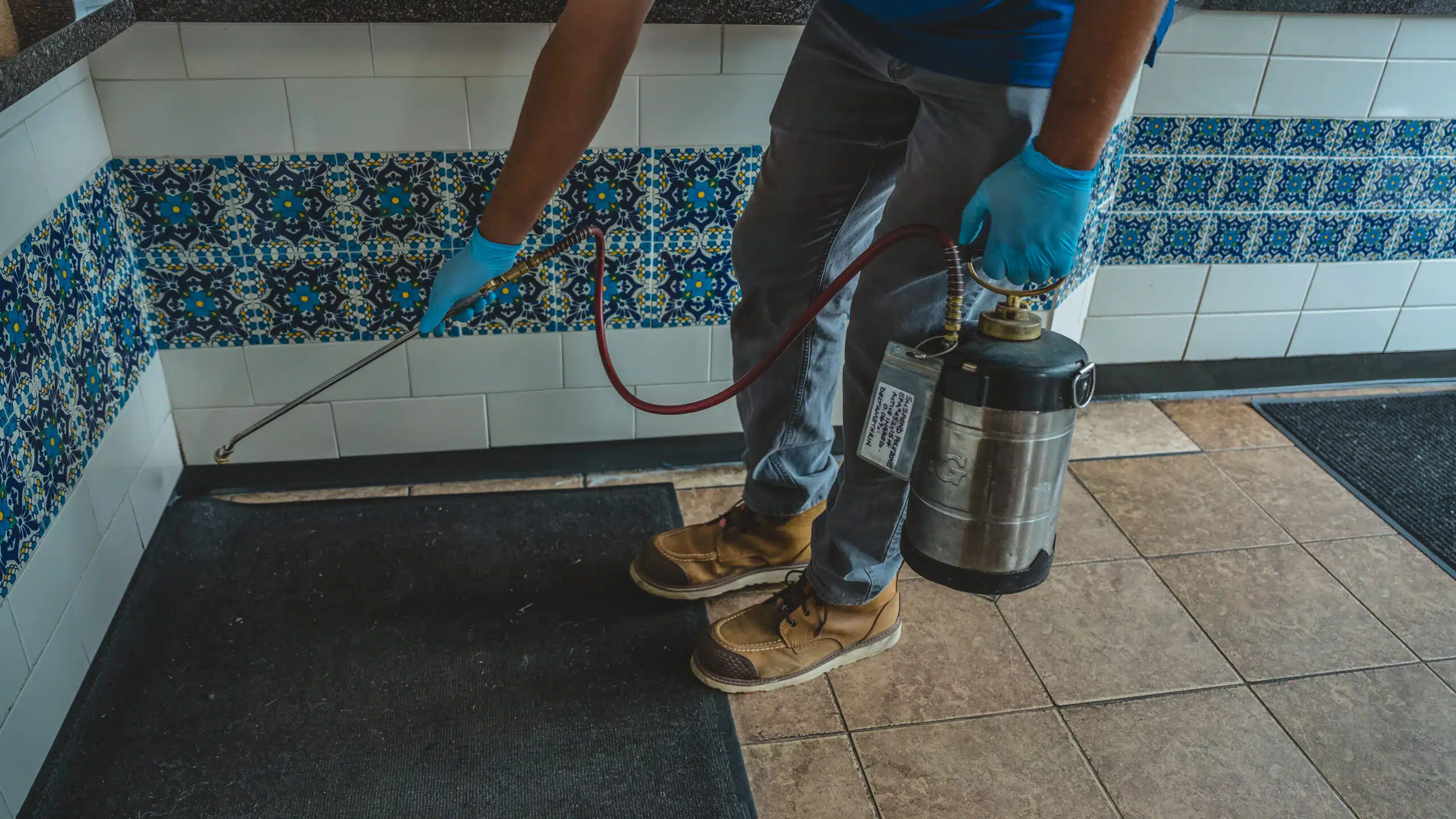
Our approach fits naturally alongside the DIY habits outlined earlier. Nightly brushing and hot water flushes are valuable maintenance steps for your team, but pairing them with a scheduled biological treatment plan from us closes the gap that surface cleaning leaves behind.
If you’re searching for how to get rid of drain flies for good, rather than managing a recurring summer problem, you’ll find that combination delivers the most reliable result across an entire season.
What Should You Do at Your Commercial Kitchen Before the Next Heat Wave Arrives?
Summer heat will keep arriving on schedule, and so will the biological conditions that let fruit flies thrive inside your restaurant plumbing.
The kitchens that manage the problem best treat it as a seasonal certainty rather than a surprise, building drain maintenance into their summer routine well before the first customer complaint arrives.
Daily habits buy you valuable time, but the organic buildup fueling repeat infestations sits deeper than any brush or foam product can reach.
Pair your consistent in-house maintenance with scheduled biological drain treatment from a partner who understands the science behind the problem. We’re ready to help your commercial kitchen build that plan, one drain and one season at a time.