

Autumn scent branding increases retail foot traffic in Washington by pairing seasonal fragrances with your store’s atmosphere. This prompts shoppers to linger, browse longer, and connect your space with warmth and comfort. At Fikes, we make the process simple for Washington retail store owners, installing, stocking, and maintaining professional scent diffuser systems for you.
Picture two storefronts on the same block in Tacoma. Both have similar window displays and similar price points, and both see roughly the same foot traffic passing by on the sidewalk. One smells like nothing at all. The other releases a faint note of cinnamon, cedar, and clove the moment the door opens.
Which one draws people inside, and which one keeps them walking? That question sits at the center of scent marketing, an approach retailers have studied and applied for decades.
Smell reaches your brain’s limbic system directly, bypassing the more analytical processing that sight and sound go through first. That means a fragrance shapes mood and memory before a shopper consciously registers why they feel drawn to a space. As Washington moves from the long daylight of summer into the shorter, cooler days of fall, you get a seasonal opening to put that psychology to work in your own store.
Autumn scent branding gives you a tool that costs less than a full marketing campaign, and its effects build with every visit a customer makes.
Below, we’ll walk through the psychology behind fall fragrance strategies, the shopper behaviors they influence, and the practical steps you can take to bring commercial ambient scenting into your store before the holiday season begins.
Table of Contents
Why Does Scent Have Such a Strong Pull on Shopper Behavior?
Smell operates differently from every other sense a retailer might target with marketing. Visual merchandising and sound design both pass through layers of conscious evaluation. Fragrance, on the other hand, connects almost immediately to the amygdala and the hippocampus, the regions responsible for emotion and memory formation. That’s why a specific smell can carry you back to a childhood memory faster than a photograph or a song could.
If you understand this pathway, you can use ambient fragrance to shape how customers feel the moment they step inside your store, and the timing around autumn amplifies the effect. Cooler air, shorter days, and the visual cues of the season already prime people for comfort-seeking behavior.
When a fall-appropriate fragrance reinforces that mindset, your store becomes an extension of the seasonal feeling shoppers already associate with pumpkin patches, hot beverages, and holiday preparation. A retail scent marketing strategy built around this window taps into an emotional state your customer already arrives with, rather than trying to create one from nothing.
Research on retail environments links pleasant ambient scent to longer browsing periods and more favorable evaluations of merchandise. Shoppers also report higher satisfaction with the overall experience. None of those outcomes require your customer to notice the fragrance consciously; it works quietly in the background while their attention stays on the products in front of them.

What Fragrance Notes Define a Successful Autumn Scent Branding Strategy?
Not every fall-associated fragrance suits every retail environment. Matching the scent profile to your brand matters as much as choosing a seasonally appropriate note. A boutique selling handmade candles will draw on a different palette than a hardware store or an automotive showroom, but both can apply the same underlying principle: choose a fragrance that feels warm, grounded, and inviting without becoming overpowering.
A few fragrance families tend to perform well for autumn retail environments in Washington:
- Warm spice notes such as cinnamon, clove, and nutmeg, which signal comfort and coziness without leaning into an overtly “holiday” theme too early in the season
- Woody and earthy notes like cedar, sandalwood, and vetiver, well suited to outdoor retailers and home goods stores, or anywhere a rustic brand identity fits
- Orchard and harvest notes including apple, pear, and pumpkin, which work well for gift shops, bakeries, and family-oriented retail spaces
- Amber and vanilla base notes, typically blended with a top note of spice, for a rounded, long-lasting fragrance that feels premium rather than seasonal and disposable
Your choice among these families comes down to brand alignment. If you run a luxury retail space, restraint tends to serve you best, using amber and vanilla as a quiet backdrop rather than a dominant statement. If you run a family-friendly shop, you can lean into orchard notes that evoke apple picking and harvest festivals. Either way, the fragrance should feel like a natural extension of your brand, not an unrelated addition to the space.
Real-World Example
A women’s clothing boutique in a Seattle shopping district came to us each September wanting to shift its ambient fragrance from a lighter floral scent used through summer to something warmer for fall.
In past years, the owner had swapped scented candles herself, but the fragrance never carried evenly across the sales floor, and the open flame posed a safety concern near merchandise displays.
We recommended a cedarwood-and-amber blend to match the store’s new fall inventory, installed flame-free diffuser units suited to the boutique’s layout, and adjusted the intensity after a short trial period based on staff feedback.
Store staff reported that customers commented on the change unprompted, several describing the shop as feeling “cozier” once the new fragrance took hold. Average time spent browsing increased during the transition period, and staff noticed customers trying on multiple items rather than making a quick, single-purchase visit. The new inventory played a role, but the scent change created the emotional backdrop that helped the merchandise land the way it was meant to.
How Do You Actually Deploy Commercial Ambient Scenting?
Moving from fragrance selection to actual deployment requires equipment that distributes scent evenly and consistently.
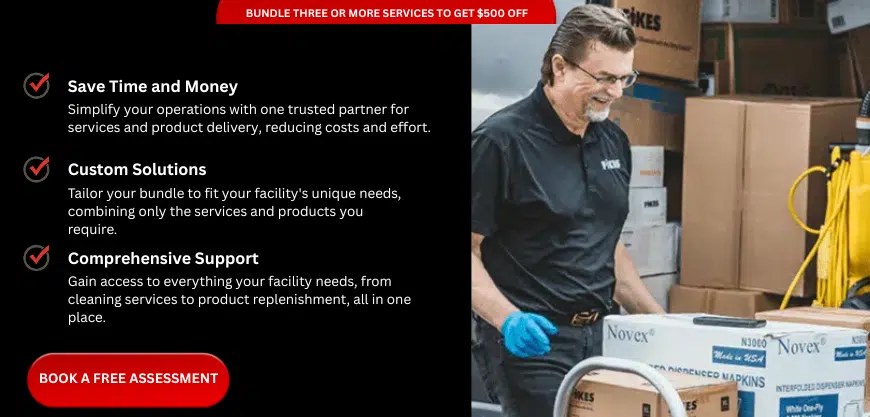
Candles, sprays, and plug-in air fresheners tend to fade unevenly and create hot spots near the entrance. Professional scent diffuser systems solve that problem by metering fragrance oil into your HVAC system or through standalone units placed strategically around your store, producing a subtle, even fragrance level throughout the space rather than a wall of scent concentrated near the door.
A well-run commercial ambient scenting program accounts for your square footage, ceiling height, airflow patterns, and even the number of daily customers passing through, since foot traffic itself affects how quickly fragrance disperses and needs replenishing.
If you try to manage this on your own, you’ll quickly learn that consistency is the hardest part to nail down. A fragrance that’s too strong on Monday and barely noticeable by Friday undermines the whole strategy, and inconsistent scenting can register as unpleasant rather than inviting.
Real-World Example
One of our clients, a hardware and home goods store outside Tacoma, ran into the above problem. The owner had tried scented plug-in units purchased from a local retailer, hoping to bring a cedar-and-spice atmosphere to the fall floor set.
Within two weeks, the fragrance had faded near the back of the store while staying strong enough near the front to draw a few complaints from customers with fragrance sensitivities.
When the owner called Fikes, we assessed the store’s layout and airflow, then installed a metered diffuser system calibrated to the space’s square footage instead of a single fixed output. We also set the units on a maintenance schedule so refills happen before fragrance strength ever drops off.
Within days, the owner reported an even scent level across the entire sales floor and no further complaints. Foot traffic even picked up along the seasonal aisle near the back wall, an area that had barely drawn customers before.
How Does Autumn Scent Branding Compare to Other Retail Marketing Tactics?
If you’re weighing where to put your fall marketing budget, you’re likely comparing scent programs against more familiar tactics. The table below shows how commercial ambient scenting stacks up against three common alternatives.
| Marketing Tactic | Setup Effort | Ongoing Cost | Customer Awareness | Effect on Linger Time |
| Autumn scent branding | Low (professional install) | Predictable, subscription-based | Subconscious, rarely noticed directly | Strong positive effect |
| Seasonal window displays | Moderate to high | One-time per season | High, but easily ignored by repeat visitors | Minimal effect once novelty fades |
| Paid social media ads | Low to moderate | Variable, scales with ad spend | High, but only reaches customers before the visit | No effect once inside the store |
| In-store discount promotions | Low | Recurring, reduces margin | High, drives urgency-based decisions | Reduces linger time (quick purchase, quick exit) |
This table shows why autumn scent branding programs stand apart from most seasonal marketing tools. Window displays and discount promotions both aim to get a customer through your door, but neither shapes the emotional experience once they’ve arrived.
Scent works differently. It operates continuously in the background, reinforcing mood on every visit instead of losing effectiveness after the first impression.
How Can You Get Started Without Managing the Equipment Yourself?
If you’re interested in a retail scent marketing strategy, you’ll run into a practical hurdle fast: fragrance diffusion equipment needs sourcing, installation, calibration, and regular refilling, and most retail teams don’t have the bandwidth to manage that alongside daily operations. That’s the gap we fill for retail businesses across Washington.
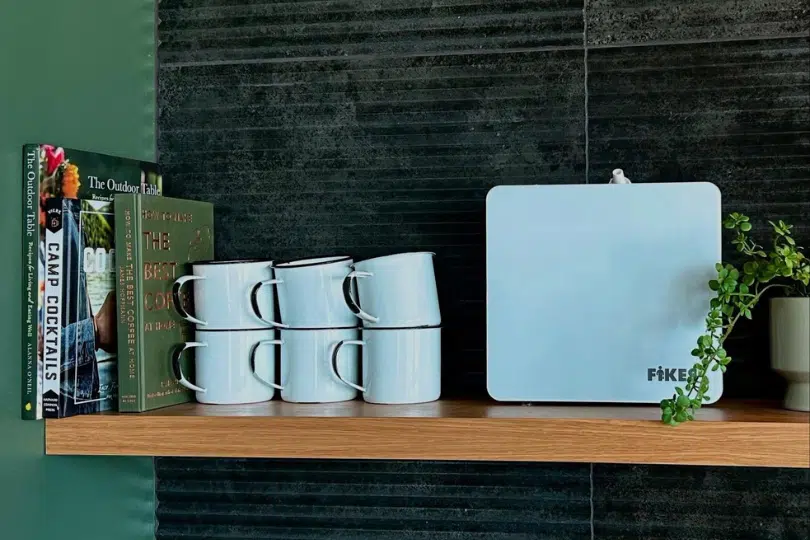
We supply and install professional scent diffuser systems as a fully managed service, so you never purchase or maintain equipment yourself. Our team handles fragrance selection, works with you to identify a scent profile that fits your brand and the season, and adjusts placement and intensity to achieve even coverage across your sales floor.
Because we serve Washington locations directly, from Seattle boutiques to Tacoma storefronts, your transition into a fall fragrance program comes with local support rather than a distant call center managing equipment from somewhere else entirely.
Getting your store set up for autumn typically follows a straightforward path:
- Consultation: One of our scenting specialists reviews your layout, brand identity, and seasonal goals to recommend a fragrance family suited to your space
- Installation: We place and calibrate diffuser units for even coverage, whether your store spans a single small room or a large-format showroom
- Fragrance rotation: You can shift scent profiles as the season progresses, moving from early autumn spice notes toward warmer, richer blends closer to the holidays
- Ongoing maintenance: Our technicians refill and service units on a regular schedule, so fragrance strength stays consistent without any extra work on your end
As the Puget Sound region moves into shorter days and cooler storefronts, that kind of turnkey support turns an idea that sounds appealing into a program you can actually run.
What’s Most Important For Washington Retailers When It Comes to Scent Branding?
Autumn gives you a narrow but valuable window to shape how customers experience your store, and fragrance reaches a part of the brain that visual merchandising and pricing strategy can’t touch directly.
A well-chosen fall scent, deployed evenly through professional equipment, gives shoppers a reason to slow down, look around, and connect your store with the comfort the season already brings to mind. When you apply this approach thoughtfully and partner with a provider who manages the equipment and fragrance selection for you, you position your store to capture more of the foot traffic that fall shopping habits naturally bring your way.
At Fikes, we’re ready to help you build that program, starting with your first fragrance consultation and continuing through every seasonal transition ahead.