
A commercial pest exclusion guide for fall walks Washington facility managers through sealing entry points, checking utility penetrations, and clearing perimeter debris before rodents seek warmth indoors. We make every step easier at Fikes, pairing hands-on exclusion work with an Integrated Pest Management program built around your facility’s specific risk points.
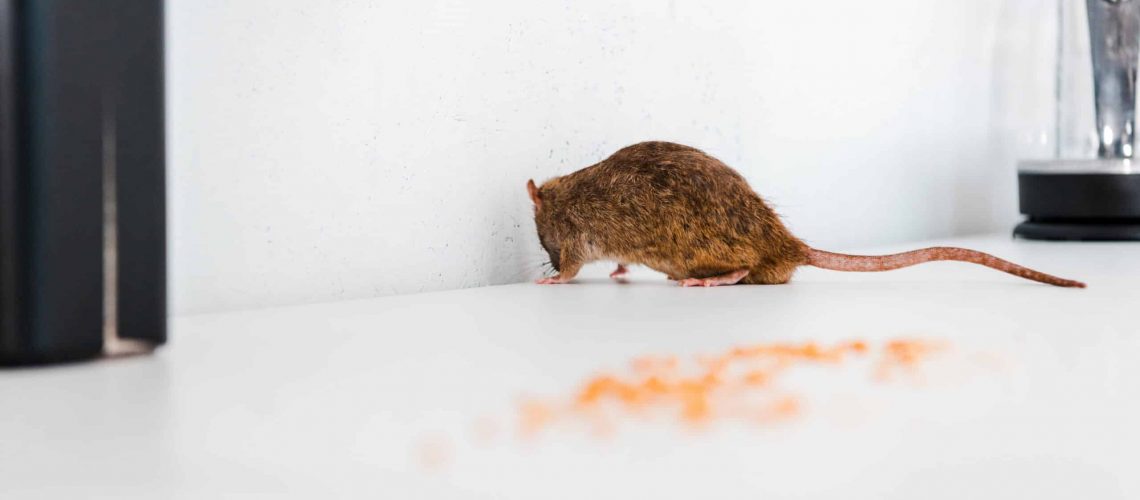
What’s already living in your walls, and how long has it been there? By the time you spot droppings near a storage rack or hear scratching in a drop ceiling, a rodent problem has usually had weeks to establish itself. Fall is when that clock starts ticking fastest. As Washington temperatures drop and outdoor food sources thin out, rodents and insects turn toward the warmth, shelter, and food your building offers, and they don’t need much of an opening to get in.
A gap the width of a pencil is all a mouse needs to squeeze through a wall. A quarter-inch crack under a loading dock door works just as well for cockroaches and spiders looking for a dry place to overwinter. Facility managers who wait until they see a pest to act are already reacting to a problem that started weeks earlier, through an entry point that sat unnoticed the whole time.
This commercial pest exclusion guide gives you a practical walkthrough for identifying and sealing those entry points before pest activity ramps up, along with a look at how Integrated Pest Management keeps your building protected long after the initial inspection ends.
Table of Contents
Why Does Fall Create Such a Sharp Rise in Pest Activity?
Rodents and insects don’t invade buildings at random. Their behavior tracks closely with temperature and food availability, and both shift as summer turns to fall in the Pacific Northwest. Outdoor insect populations drop, natural food sources like seeds and vegetation die back, and the temperature swings that once let pests thrive outdoors start pushing them toward shelter.
Commercial buildings offer everything a rodent needs to survive winter: stable temperatures, food debris in break rooms and storage areas, and small gaps where wiring, plumbing, and HVAC systems pass through exterior walls. Warehouses and manufacturing facilities carry extra risk, since their large footprints and loading dock activity create more entry points than a typical office building sees.
Washington’s wet fall climate compounds the problem: persistent rain drives rodents toward dry shelter earlier than a dry-climate facility might experience, and moisture around a foundation can soften wood and create new access points that weren’t there over summer.
What Should a Facility Manager Check During a Fall Exclusion Inspection?
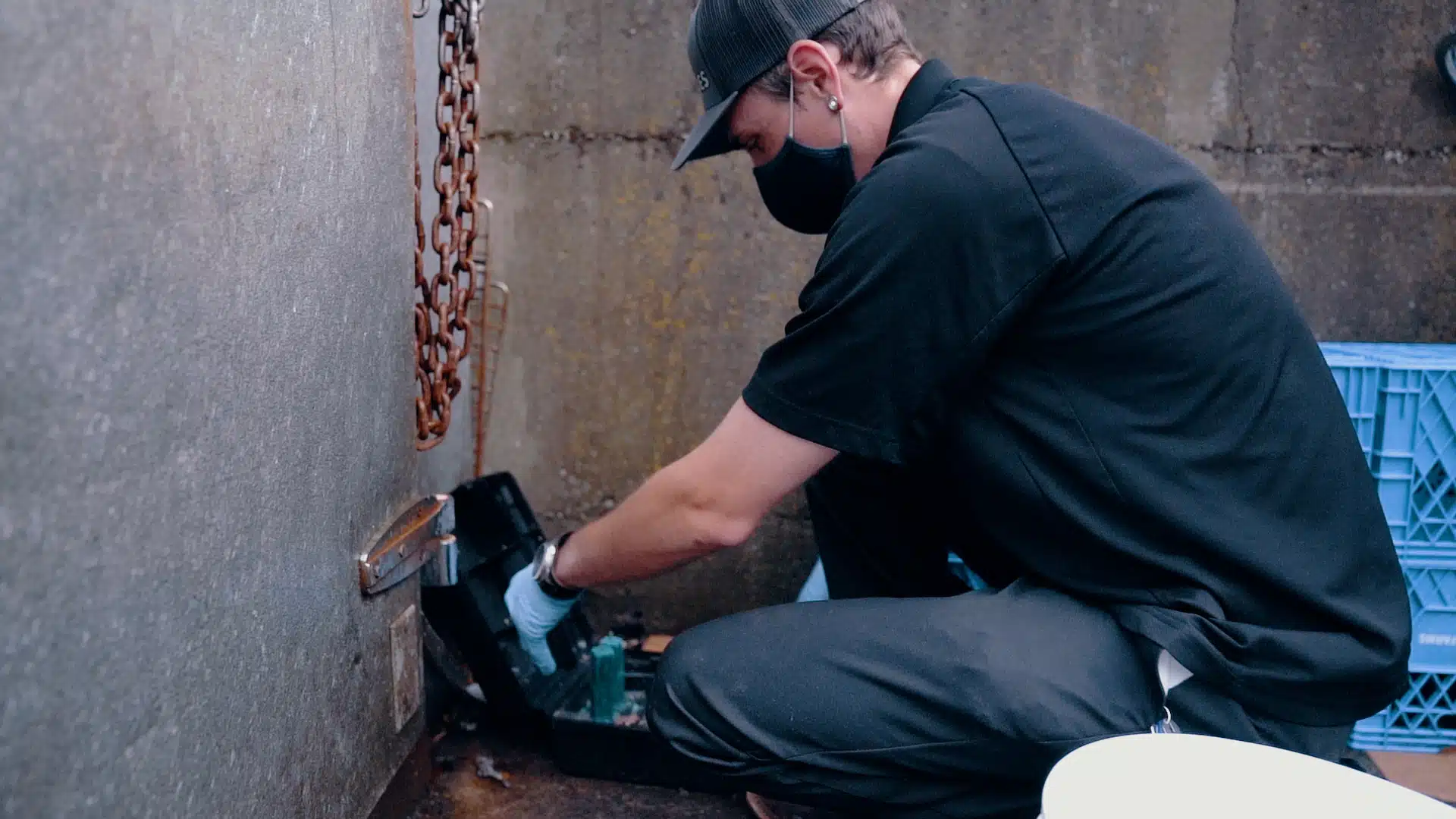
Exclusion, in pest management terms, means physically closing off the pathways pests use to get inside rather than treating an infestation after it starts. A thorough fall commercial pest exclusion guide covers every point where your building’s exterior meets the outside world.
Start your walkthrough with these checkpoints:
- Foundation and wall gaps around utility penetrations, where pipes, conduit, and cables pass through exterior walls and can leave small unsealed openings behind
- Door sweeps and thresholds, especially at loading docks, where gaps under doors provide an easy entry point for rodents and crawling insects
- Roofline and vent openings, including exhaust fans, roof vents, and any gaps around HVAC units, which pests use as an overlooked entry route
- Window seals and weatherstripping, particularly on older buildings where age and weather exposure can compromise the seal over time
- Perimeter landscaping, checking for overgrown vegetation or debris piles touching the building, since these create bridges pests use to reach entry points
Walking this checklist twice a year, once before fall and once in early spring, catches new gaps before they become entry points. A building’s exterior shifts with weather and routine maintenance, so a spot sealed last year won’t necessarily stay that way.
How Does a Fall Commercial Pest Exclusion Guide Differ From a General Pest Check?
A fall rodent prevention checklist narrows in on the specific behaviors and entry points rodents rely on as they move indoors for the season.
Rodents need three things to survive: food, water, and shelter. Removing access to any one of them makes your facility a far less attractive target. Food access starts in break rooms, storage areas, and loading docks, wherever crumbs or unsealed containers sit within reach. Water access usually traces back to leaking pipes, HVAC condensation, or standing water near a foundation. Shelter access comes down to the exclusion work covered above: sealed gaps, secure door sweeps, and a perimeter free of clutter.
Storage practices deserve a close look too. Cardboard boxes stacked against a wall create both a food source and a hiding spot near potential entry points, since rodents chew cardboard for nesting material. Shifting inventory a few inches away from exterior walls removes that combination and makes activity easier to spot during routine inspections.
Real-World Example
A distribution warehouse in Kent called us in September after finding rodent droppings near a pallet storage area for the second fall in a row. Their team had set traps each time, which handled the immediate problem but never addressed why rodents kept getting in.
We walked the entire building perimeter with their facility manager and found four entry points: a gap around a conduit penetration near the loading dock, a worn door sweep on a side entrance, a loose vent cover on the roofline, and overgrown landscaping pressed against the exterior wall.
We sealed each opening with rodent-proof materials matched to the gap, replaced the door sweep, and coordinated with the facility’s landscaping vendor to pull vegetation back from the building.
From there, we set up a monitoring station program along the interior perimeter to confirm the exclusion work had closed the gaps for good. The facility manager reported no new droppings through the rest of that fall and into winter, a first for the site in three years.
What Role Does Integrated Pest Management Play After Exclusion Work Is Done?
Sealing entry points solves the access problem, but pests that found their way in before the seal went up, or new pressure building outside your walls, still need an ongoing management approach.
That’s the role of integrated pest management for businesses: a strategy combining exclusion, monitoring, sanitation, and targeted treatment into one coordinated program rather than a single service call.
IPM relies on regular monitoring to catch activity early, using tools like bait stations and glue boards placed at strategic points around a facility. When monitoring flags an issue, treatment gets applied precisely where needed instead of broadly across the whole building, keeping chemical use to a minimum. Sanitation review rounds out the approach, addressing the food and water sources that draw pests toward a facility in the first place.
For a facility that handles food production, healthcare supplies, or any product sensitive to contamination, this layered approach matters even more. Professional commercial pest control built on IPM principles gives you documentation and a treatment history that satisfies health inspections and audits, something a reactive, one-time treatment can’t provide.
Real-World Example
A food co-packer in Auburn learned this firsthand after an exclusion-only service left them without a follow-up plan. A prior vendor had sealed gaps around their loading dock, but with no monitoring in place, a health inspector flagged rodent activity near a receiving area the following fall.
They brought us in to build a full IPM program instead of another one-time fix. We installed monitoring stations along the interior perimeter and receiving areas, set a monthly inspection schedule around their production calendar, and added a sanitation review to flag food debris before it attracted pests.
Their next health inspection cleared without a single pest-related note, and the facility manager now has a documented service history ready for every audit that comes their way.
How Do Exclusion-Only and Full IPM Programs Compare?
Facility managers sometimes weigh a one-time commercial pest exclusion project against a full ongoing IPM program. The table below lays out the practical differences between the two approaches.
| Approach | Entry Point Coverage | Ongoing Monitoring | Documentation for Audits | Long-Term Cost |
| One-time exclusion project | High at time of service | None after completion | Minimal, single service report | Lower upfront, risk of new gaps going unnoticed |
| Reactive pest treatment only | None (addresses symptoms, not entry) | None | Sparse, tied to individual incidents | Unpredictable, spikes with each infestation |
| Full IPM program | High, reassessed regularly | Continuous, scheduled visits | Comprehensive, audit-ready | Predictable, bundled into a service contract |
The comparison makes the case for a full program clear. Exclusion work alone closes the gaps you can see today, but buildings shift and settle, and new openings appear over time.
Continuous monitoring catches those changes before they turn into an infestation, and the documentation it generates protects you during any inspection that comes your way.
How Can Fikes Help You Build a Fall Pest Exclusion Plan?
Between daily operations and every other item on a facility manager’s plate, walking a full building perimeter and building an ongoing commercial pest exclusion guide takes real time most teams don’t have to spare. This is the gap we close for Washington facilities heading into fall.
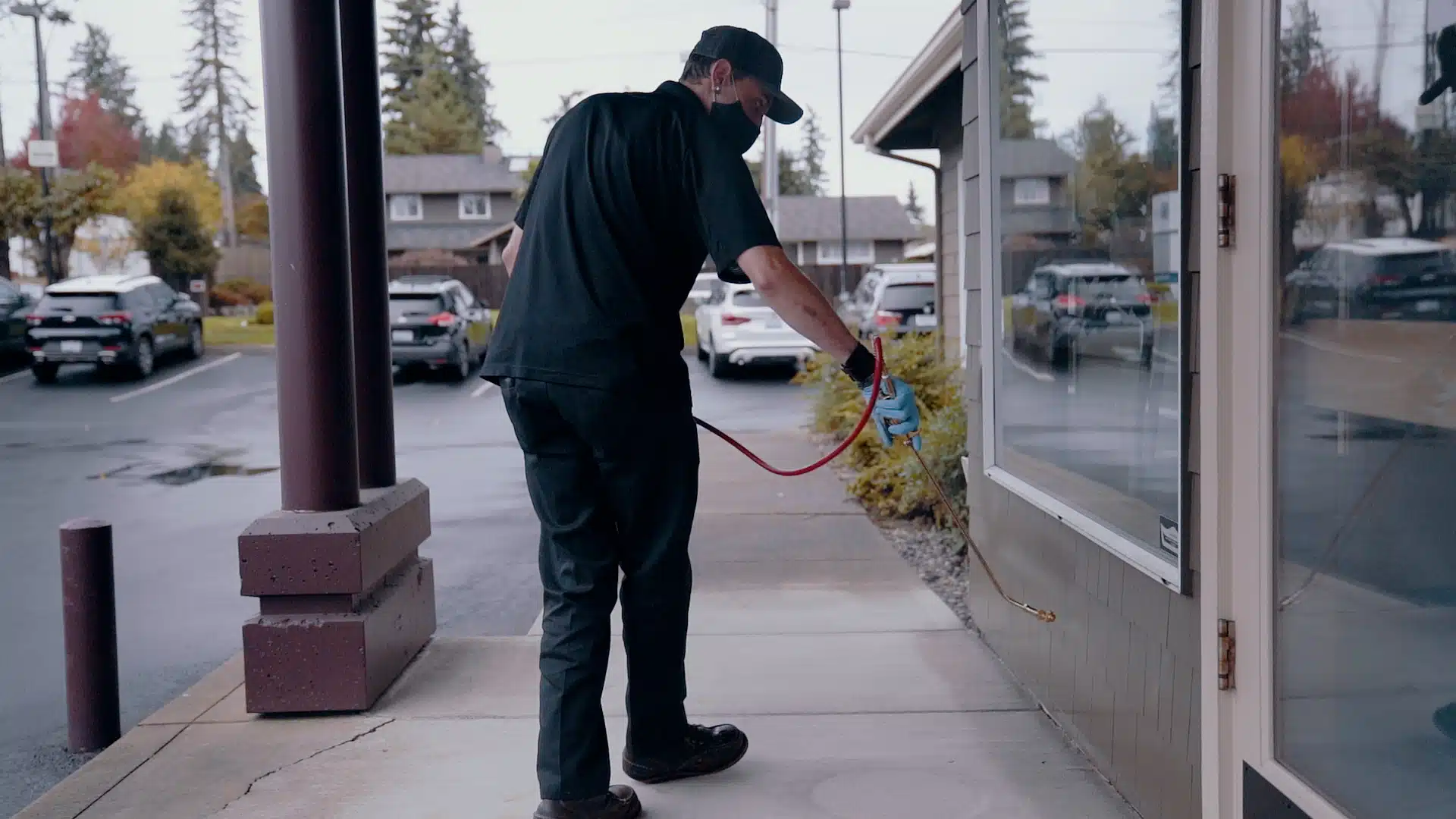
We start with a full exterior and interior walkthrough, using the same commercial pest exclusion guide categories covered above. From there, we handle exclusion work directly, sealing gaps with materials suited to your building’s construction and coordinating with your team on anything outside our scope, like landscaping adjustments. Once exclusion work wraps, we set up a monitoring program tailored to your facility type, whether that means a warehouse’s loading dock activity or a food processing plant’s stricter sanitation requirements.
Our approach draws on both deep-cleaning expertise and Integrated Pest Management, since sanitation and exclusion work hand in hand to keep pests from returning. We’re QualityPro and GreenPro certified, so our methods meet the standards that food processing facilities and restaurants need to pass health inspections.
Because we already serve manufacturing, warehouse, and food service facilities across Washington, we understand the entry points specific to your building type, and we build every plan around that reality instead of a generic checklist.
A fall exclusion and IPM engagement with us typically includes:
- Full perimeter walkthrough covering foundation gaps, door sweeps, roofline openings, window seals, and landscaping
- Direct exclusion work using materials matched to your building’s construction and each gap’s specific size
- Monitoring station setup placed at strategic interior and exterior points to catch activity early
- Scheduled inspections timed around your facility’s traffic patterns and seasonal risk factors
- Audit-ready documentation delivered after every visit, so you’re always prepared for a health or safety inspection
What Should You Do Before This Fall’s Pest Activity Peaks?
Fall pest prevention comes down to timing. Rodents and insects start seeking shelter the moment temperatures drop, and every day your entry points sit unsealed gives them another chance to find their way in. Walking your facility with a fall commercial pest exclusion guide, sealing the gaps you find, and pairing that work with an ongoing IPM program gives you the best protection available heading into the season ahead.
Waiting until you spot the first sign of activity means you’re already behind, cleaning up a problem instead of preventing one.
Book a facility assessment with us today so that we can walk your facility, map every entry point, and build an exclusion and IPM plan that keeps your building protected long after the leaves finish falling.