
An essential fall checklist for pest control in Federal Way starts with sealing gaps around doors, loading docks, and utility lines, then adding sanitation and monitoring steps. Professional pest control in Federal Way completes the plan by treating entry points before rodents and overwintering insects move inside during the rainy season.
What happens when the Puget Sound rain settles in, and every rodent in South King County starts hunting for a warm, dry place to spend the winter?
If you run a business in Federal Way, the answer might be your building. Each October, dropping temperatures and soaked soil push mice, rats, ants, and overwintering insects toward the shelter of commercial properties, and they’re remarkably good at finding a way in.
A gap the width of a pencil is enough for a mouse. One unnoticed opening beneath a loading dock door can let a whole colony settle behind your walls. The cost of waiting is steep, from damaged inventory to failed inspections to customers who walk out the moment they spot a pest.
A seasonal pest control plan keeps you ahead of the problem. Here’s how to build one that fits the local climate, the way your building is used, and the pests most likely to show up.
Table of Contents
Why Do Pests Invade Federal Way Businesses Every Fall?
Autumn in Federal Way brings steady rain, falling temperatures, and saturated ground. Pests respond to all three.
Rodents lose the outdoor food sources they relied on during summer, ants relocate when their soil nests flood, and insects such as boxelder bugs and cluster flies look for sheltered cracks where they can wait out the cold.
Commercial buildings offer exactly what these pests want: warmth and moisture, along with food and protected hiding places. Restaurants, retail storefronts, and distribution hubs are especially attractive because they generate steady food waste, packaging, and cardboard.
South King County’s mild, damp winters also keep pests active longer than they’d be in colder regions, so a problem that starts in October can grow straight through spring.
A building that’s sealed and sanitary by early fall gives pests very little reason to stay.
Which Pests Should You Watch for This Season?
Three groups cause the most trouble for local businesses. Rodents, primarily house mice and Norway rats, squeeze through tiny gaps, gnaw wiring, contaminate food, and reproduce quickly.
Pest ants, including carpenter ants that nest in damp wood, can damage structures and show up in break rooms and kitchens. And overwintering insects gather on sunny exterior walls before slipping inside through cracks and vents.
Each group leaves clues. Watch for droppings, gnaw marks, greasy rub marks along baseboards, sawdust-like debris near wood, and clusters of insects around windows. Spotting early signs lets you act before a handful of intruders becomes an infestation that disrupts your customers.
Knowing your likely visitors helps you focus your inspection where it counts.
What Is an Integrated Pest Management Strategy for Pest Control in Federal Way?
Integrated Pest Management, or IPM, is a layered approach that prevents infestations by addressing the conditions that attract pests rather than relying on pesticides alone.
The process starts with inspection and monitoring to identify what’s present and where. Next comes prevention, which means sealing entry points, fixing moisture problems, and tightening sanitation.
Treatment follows only when it’s needed, using targeted methods that limit chemical exposure around employees and customers. Finally, regular follow-up confirms that the plan is working and catches new activity early.
For a Federal Way business, a seasonal IPM plan times each step to the fall surge, so your defenses stand ready before the first heavy rains. This approach protects your reputation, supports health inspections, and typically costs less than repeated emergency treatments.
A well-run IPM program turns pest control in Federal Way from a reaction into a routine.
Where Are Your Building’s Most Vulnerable Entry Points?
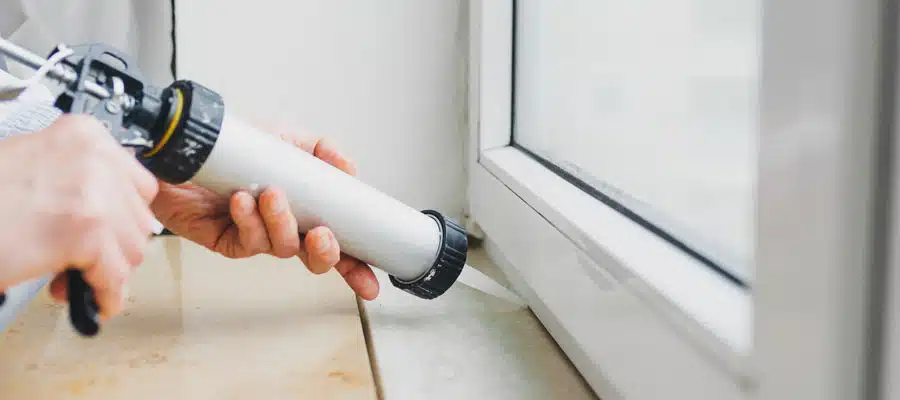
Pests don’t need much room. Start at your loading docks, where gaps around dock levelers and doors let rodents slip in alongside deliveries. Door sweeps wear down over time and leave thin openings you can see daylight through.
Utility penetrations, where pipes, cables, and conduit pass through walls, usually have gaps around them that nobody ever sealed. Rooflines, vents, and damaged weatherstripping offer even more access.
Sealing these points closes the doors pests rely on most.
Real-World Example
A distribution center near Federal Way noticed rodent droppings along its dock doors and a rise in complaints from the warehouse crew.
We inspected the perimeter, found worn door sweeps and unsealed gaps around utility lines, and closed each opening with rodent-resistant materials. We also placed monitoring stations along the interior walls and set up scheduled follow-up visits.
Activity dropped off quickly, and the team saw no new signs through the rest of the season.
What Does a Fall Pest Control Checklist Include?
Work through this pest control checklist in September or early October, and repeat it after any major storm:
- Inspect and replace worn door sweeps and weatherstripping
- Seal cracks and utility penetrations with steel wool, caulk, or other pest-resistant material
- Trim vegetation and keep landscaping at least a foot from the building
- Keep dumpsters closed, clean, and positioned away from entrances
- Store food, packaging, and inventory on shelving off the floor
- Fix leaks and clear drains to reduce moisture
- Clean break rooms and kitchens daily, including under appliances, and use professional deep cleaning services when needed
- Schedule a professional inspection and install monitoring devices.
Checking each item takes far less time than cleaning up after a single infestation. Completing this list before winter makes your building a much harder target.
How Do Common Fall Pests Compare?
Each pest enters differently and calls for a different response, as the table below shows. At the end of the day, matching your strategy for pest control in Federal Way to the pest saves time, money, and a lot of frustration.
| Pest | Warning Signs | Typical Entry Point | Best Response |
| Mice and rats | Droppings, gnaw marks, rub marks | Door gaps, utility lines, dock areas | Exclusion, trapping, monitoring |
| Carpenter and other pest ants | Trails, wood debris, rustling in walls | Damp wood, foundation cracks | Moisture repair, targeted treatment |
| Boxelder bugs and cluster flies | Clusters on sunny walls and windows | Siding cracks, vents, window frames | Sealing, exterior barrier treatment |
Real-World Example
A family-owned retail shop in a Federal Way strip center had a back storeroom that drew carpenter ants every October after heavy rain.
They called us in, and we traced the trail to a damp wall plate beside a leaking downspout. We treated the colony and advised the landlord to correct the moisture source.
We then added a seasonal inspection to the shop’s service plan, and the ants stopped returning.
Why Choose Fikes Pest Control in Federal Way?
When you search for pest control in Washington or an exterminator in Federal Way, you want more than a one-time spray. At Fikes, we build seasonal programs around your building, your industry, and the pests that actually threaten South King County businesses.
Our Federal Way pest control services include:
- A full interior and exterior inspection before fall activity peaks
- Exclusion work that seals gaps and entry points
- Targeted treatments and monitoring stations
- Follow-up visits with written reports
- Sanitation guidance for your staff
Because we combine facility hygiene with professional treatment, we stop pests at the door instead of chasing them after they’ve settled in. With us in your corner, your customers see a clean, welcoming business all season long.
What Should You Do for Pest Control Before Winter Arrives?
Fall is your best window to stop pests before they settle in. Walk your property, work through the checklist, and fix the gaps that invite rodents, ants, and overwintering insects.
Then bring in a partner who can inspect what you can’t see and keep watch all season. When you’re ready for Federal Way pest control that fits your building, we’re here to help you protect your business, your inventory, and your reputation.