


In Western Washington, wet winters, mild temperatures, and dense urban development push rodents indoors, creating winter population surges that extend throughout the year. Year-round rodent prevention in Washington is a must. Combine consistent pest control, building exclusion, sanitation, and ongoing monitoring to manage constant rodent pressure.
Rodents never check the calendar, and Seattle buildings rarely give them a reason to leave.
While many still think of rodents as a cold-weather nuisance, rats and mice operate on access, shelter, and food availability rather than seasons. In dense urban environments, those conditions stay present every single day, especially inside multi-family buildings with shared utilities, waste systems, and parking structures.
Seattle’s climate adds another layer of pressure. Persistent rain, saturated soil, and compact development funnel rodents directly toward foundations, garages, and interior spaces. Once inside, movement between units becomes easy and difficult to detect without structured monitoring.
For property managers, this turns rodent prevention into an ongoing operational responsibility rather than a seasonal task.
Buildings that treat rodent control as an occasional service call face recurring activity, resident complaints, and rising costs. Properties that treat rodent prevention as a continuous system gain stability, predictability, and long-term control.
Let’s discuss why rodent pressure continues year-round and requires uninterrupted prevention planning.
Table of Contents

Why Do Rodent Populations Surge During Washington Winters?
Western Washington winters drive rodent migration rather than dormancy.
Heavy rainfall saturates soil and collapses outdoor burrows, pushing rats toward foundations, garages, and interior utility corridors. Mild winter temperatures allow feeding and breeding cycles to continue, increasing demand for Seattle rat control across urban environments.
Winter conditions create movement, not relief, for rodent populations.
Real-World Example
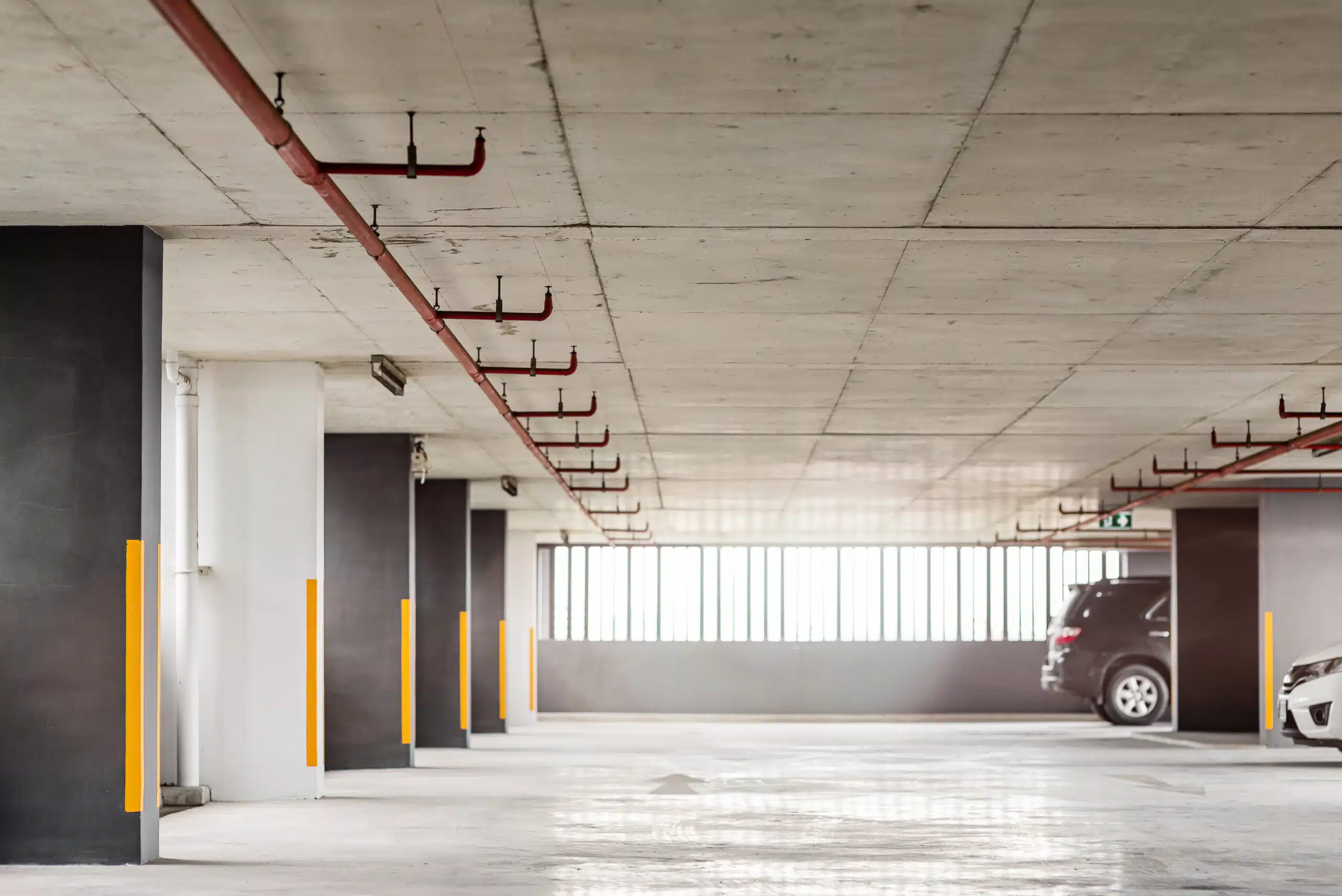
One Seattle multi-family community experienced this firsthand when winter storms repeatedly forced rodents into underground parking garages and trash rooms. Prior pest control visits addressed surface activity but left moisture, food residue, and access points unchanged. After Fikes coordinated pest control with sanitation services and targeted exclusion work, rodent movement declined steadily throughout the remainder of winter.
Ultimately, winter rodent surges respond best to integrated rodent prevention rather than isolated treatments.
What are Some Nationwide Rodent Pressure Trends Across Multi-Family Housing?
Rodent pressure affects multi-family housing nationwide, driven by urban density, climate shifts, and uninterrupted waste generation. Coastal regions face moisture-driven rodent movement, while inland markets see migration during temperature extremes. Still, both patterns remain year-round rather than seasonal.
Rodent pressure also exists because of the way a building is structured and whether one apartment already has an infestation. Recent research on mice in multi-family housing revealed that “an apartment was much more likely to have house mice if there was a shared wall with another apartment that had mice. The mice travel to adjoining apartments above and below the infested apartment.”
Simply put, rodent prevention requires consistency across all apartments and rooms. It also requires a consistent approach, no matter the location.
Real-World Example
A national property management group working with Fikes observed similar rodent patterns across multiple states despite differing climates. Monitoring data revealed that trash handling schedules, loading dock traffic, and garage conditions played a greater role than weather alone. Aligning pest control with sanitation and exclusion strategies reduced rodent sightings across the portfolio.
This outcome reinforces that structural and operational factors drive rodent activity nationwide. And in order to fix that, you must be consistent.
Where are Rodent Hotspots?
Certain building areas repeatedly attract rodents due to shelter, access, and food availability.
A few of the top rodent hotspots are:
- Trash rooms
- Garages
- Loading docks
Trash rooms supply organic residue, garages provide warmth and concealment, and loading docks connect interior spaces directly to the exterior environment. These zones support nesting and rodent travel when they remain unmanaged.
When you identify your rodent hotspots, it directs prevention efforts toward the highest-risk zones.
Look for places with:
- Structural gaps around doors, drains, and utility penetrations
- Inconsistent cleaning schedules that leave food residue and moisture
Seattle rat control efforts that focus only on exterior baiting leave these internal hotspots vulnerable. Addressing these spaces reduces rodent movement and population stability inside your building.
What’s the Foundation of Rodent Prevention?
Rodent prevention depends on pairing exclusion with sanitation to remove both access and the resources rodents need for survival.
Exclusion seals entry points, while sanitation removes food and moisture that sustain infestations. One without the other leaves conditions that allow rodents to persist.
Together, these measures form the foundation of effective rodent control in WA.
Recurring rodent sightings will continue until sanitation schedules align with pest control inspections. Once trash rooms and garage drains receive regular deep cleaning alongside exclusion repairs, you’ll see reduced activity within weeks.
At the end of the day, combined efforts stabilize rodent pressure long-term.
How Does Monitoring Support Rodent Prevention Planning?
Monitoring transforms rodent prevention into a managed, measurable process.
Activity tracking, station data, and trend reporting reveal movement patterns before infestations escalate. These insights guide sanitation schedules, exclusion priorities, and pest control adjustments.
The table below highlights the response timing, cost stability, and recurring infestation risk when it comes to a reactive approach to rodent prevention vs. a monitored approach:
| Approach Type | Response Timing | Cost Stability | Infestation Risk |
| Reactive Pest Control | After sightings | Variable | High recurrence |
| Monitored Rodent Prevention | Continuous oversight | Predictable | Reduced recurrence |
Seattle rat control programs gain reliability when prevention decisions rely on long-term data rather than emergency response. Visibility and consistency drive sustainable results.
How Does Fikes Support Integrated Rodent Prevention Nationwide?
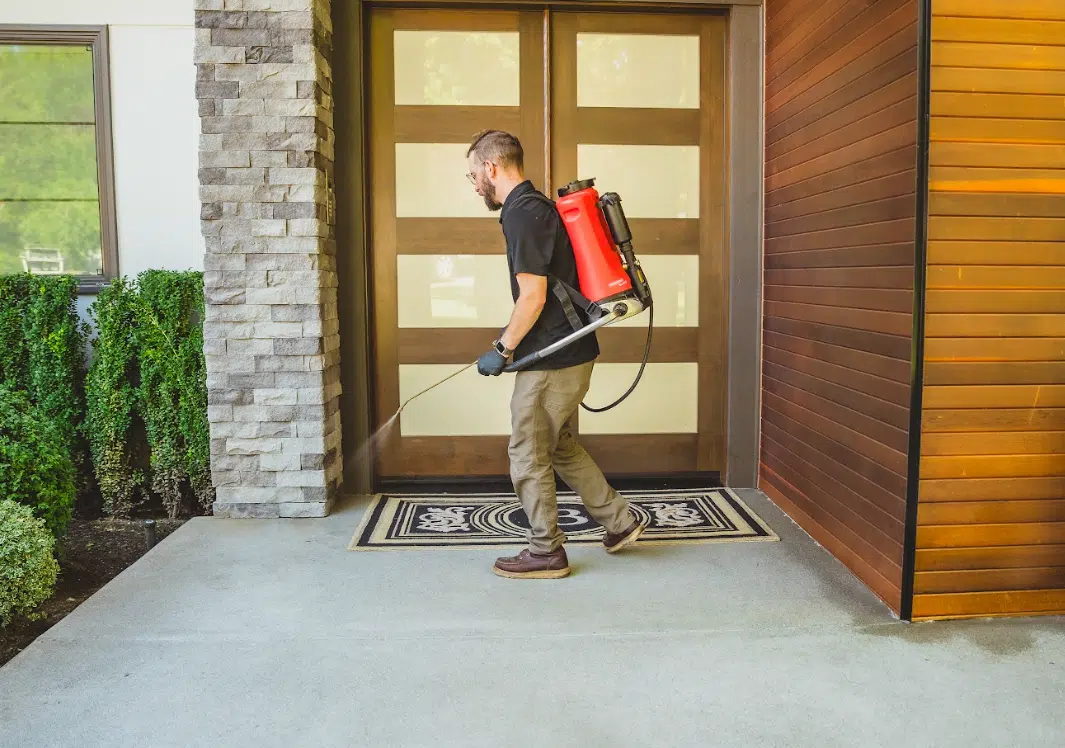
Fikes delivers rodent prevention through coordinated pest control, sanitation, exclusion, and monitoring services.
This integrated approach addresses both rodent behavior and the environmental conditions that allow infestations to continue. Multi-family clients benefit from teams trained to work together rather than in silos. This coordination strengthens consistency across properties and regions.
For national portfolios, Fikes provides standardized service frameworks while adapting to local challenges such as Washington’s winter moisture or high-density urban layouts. Property managers gain predictable outcomes without sacrificing site-specific expertise. The result supports scalable rodent prevention across diverse building types.
Year-Round Rodent Prevention is the Only Way to Go
Rodent season never ends because modern buildings supply constant shelter, warmth, and waste.
Multi-family properties in Seattle and across the country share this exposure regardless of climate. Pest control strategies grounded in year-round prevention outperform seasonal approaches every time.
Fikes supports this standard through integrated pest control, sanitation, exclusion, and monitoring services designed for multi-family environments nationwide. You gain a partner focused on long-term stability rather than short-term correction.
Get in touch with us today to start your rodent prevention journey and protect residents, assets, and operational confidence all year long.