

When pests like German cockroaches, rodents, or fruit flies invade your commercial building, your first instinct is probably to call an exterminator.
You expect them to spray chemicals or set traps to wipe out the problem instantly. While targeted chemical treatments certainly have a place in an emergency, they only address the surface symptoms of a much deeper issue. Without rigorous, ongoing sanitation practices, chemical pest control is just a temporary band-aid on a gaping wound.
Long-term pest management requires a proactive strategy where deep cleaning and structural sanitation serve as your primary defense. Pests can’t survive without accessible food, water, and shelter. So, relying solely on chemical sprays while ignoring underlying filth creates an endless, expensive cycle of re-infestation.
Here’s more on why sanitation is the foundation of pest control success.
Table of Contents
What Is the Biological Link Between Sanitation and Pests?
All pests need three basic things to thrive: food, water, and a safe place to nest. Your building naturally offers shelter from unpredictable Pacific Northwest weather, but everyday operations accidentally supply the rest.
When sanitation slumps, you roll out a red carpet for uninvited guests. Microscopic food residues, thick grease behind kitchen lines, leaking pipe condensation, and overflowing trash bins create a haven for reproduction.
Look at how fast common commercial pests multiply:
- German Cockroaches: A single pregnant female introduced to a space with abundant food waste can spawn up to 30,000 offspring in just one year.
- Mice: A pair of house mice can produce 60 offspring annually, and their young start breeding at six weeks old.
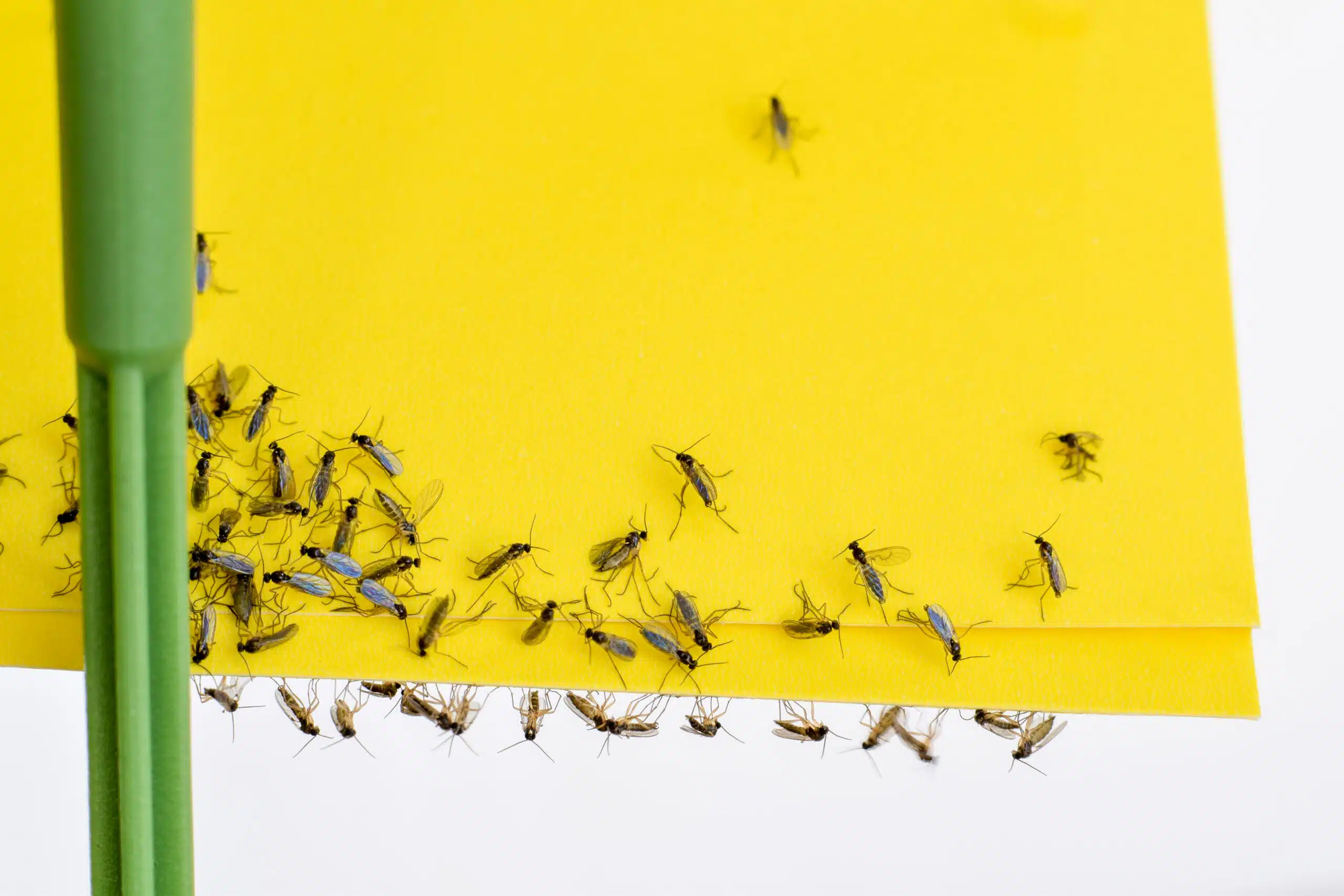
- Fruit Flies: A female can lay 500 eggs on rotting organic material or inside dirty floor drains, with larvae hatching in under 24 hours.
If you continuously provide these necessities through lax cleaning protocols, no amount of pesticide application can keep up with the exponential growth.
Why Do Pesticides Fail in Unsanitary Environments?
It’s frustrating when pest populations persist despite regular exterminator visits. What many business owners don’t realize is that poor sanitation actively neutralizes pest control products in several ways.
1. Competitive Food Sources Distract Pests from Baits
Commercial pest control relies heavily on gel baits and solid stations designed to lure pests with attractive scents. However, if your kitchen floors are littered with food crumbs, grease splatters, and unsealed garbage, pests won’t touch the bait. Natural organic waste almost always beats synthetic options.
2. Grease and Dust Neutralize Chemical Barriers
Pesticide dusts and residual sprays work when pests walk across treated surfaces, transferring active ingredients to their bodies. In dirty environments, heavy layers of airborne grease, organic dust, and moisture quickly coat those applied chemicals. This creates a physical barrier that keeps pests from touching the product, rendering the treatment useless within days.
3. Organic Matter Deactivates Chemical Compounds
Many chemical treatments break down rapidly when exposed to moisture and organic matter. Sludge inside floor drains absorbs and degrades liquid treatments before they ever reach insect larvae.
| Pest Type | Primary Sanitation Flaw | Chemical Treatment Failure | Structural Sanitation Solution |
| German Cockroaches | Grease buildup behind hot-lines and wall gaps | Sprays neutralized by heavy grease accumulation | High-temperature deep scrubbing and enzymatic degreasing |
| Fruit & Drain Flies | Organic sludge accumulation in floor drains | Liquid chemicals washed away or absorbed by sludge | Mechanical drain scrubbing and biological foam treatments |
| Rodents (Mice/Rats) | Unsealed trash dumpsters and food spillage | Baits ignored due to abundance of fresh food waste | Heavy-duty dumpster pad washing and air-tight storage |
| Pavement Ants | Sweet liquid residue under beverage stations | Spray barriers bypassed via interior wall voids | Deep extraction cleaning of sub-floor spills and sealing seams |
How Does Deep Sanitation Neutralize Pest Attractions?
To achieve true pest exclusion, you have to move beyond superficial “spray-and-wipe” cleaning routines. Standard night-crew mopping usually just pushes organic matter into wall crevices, baseboard channels, and tile grout, inadvertently creating hidden pest nurseries. Deep, structural sanitation requires systematic focus on high-risk target zones.
Real World Example
A multi-unit restaurant group on the Seattle waterfront was battling a persistent fruit fly infestation across two prime dining locations. Despite bi-weekly pest control visits and chemical fogging, flies swarmed around the bar areas and dish pits, bringing negative reviews and health department warnings.
We performed a comprehensive facility audit and found the root cause: years of sugary syrup buildup beneath soda lines and a thick layer of organic bio-film lining the floor drains. We deployed our specialized biological drain foam treatments alongside high-pressure deep cleaning systems to strip away the bio-film and destroy the breeding habitat. Within 72 hours, the fruit fly population collapsed by over 95% without using a single harsh synthetic pesticide.
Key Target Areas for Pest-Focused Sanitation:
- Commercial Floor Drains: These are the primary source of indoor fly infestations. They must be mechanically scrubbed and treated with enzymatic bio-cleaners to dissolve organic sludge.
- Underneath Heavy Equipment: Cooking lines, refrigeration units, and ice machines trap heat, moisture, and dropped food. Equipment needs to be moved regularly so underlying floors can be sanitized.
- Grout Lines and Tile Seams: Porous grout absorbs animal fats and vegetable oils, creating a steady food supply for crawling insects. Deep thermal extraction pulls those oils out of the tile matrix.
- Trash Enclosures and Dumpster Pads: Exterior trash zones act as a beacon for rodents and wasps. Power-washing dumpster pads routinely eliminates leaking fluids and lingering scraps.
How Does Sanitation Protect Your Brand and Profitability?
The financial fallout from a pest issue goes far beyond the cost of extermination services. In today’s digital landscape, a single customer spotting a cockroach in your dining room or a rodent in your retail store can trigger devastating online reviews, viral social media posts, and permanent loss of trust.
Health inspectors also take a zero-tolerance approach to active infestations. A severe outbreak can lead to immediate closure orders, heavy fines, and mandatory public disclosures that crush your bottom line.
Real-World Example
A major distribution center in Spokane was struggling with recurring rodent activity near their main breakroom and employee locker areas. Management was spending thousands of dollars on continuous rodent trapping services, but the problem persisted because employee food waste was accumulating in unsealed trash bins and behind vending machinery.
We partnered with their team to install a structured, automated sanitation and pest prevention program. We placed heavy-duty sealed waste receptacles, instituted a monthly deep-cleaning protocol for breakroom amenities, and applied targeted botanical deterrents. By removing the food sources and securing the trash zones, we brought rodent captures down to zero, saving the logistics facility thousands in ongoing extermination costs.
Investing in professional sanitation creates a protective shield around your brand. It turns your physical environment into an inhospitable zone for pests, keeping your building compliant, safe, and visually immaculate.
What is The Fikes Pest Control Integrated Sanitation Advantage?
We believe sanitation and pest control are two sides of the same coin. You can’t have a pest-free environment without an unwavering commitment to structural cleanliness. As experts who are “Proudly Obsessed with the Dirty Details”®, we provide you with the deep-cleaning infrastructure required to make pest control programs work.
Our specialized commercial hygiene services include:
- Deep Floor & Grout Restoration: We remove grease, bio-film, and organic waste from the deepest pores of your flooring.
- Biological Drain Maintenance: We eliminate the organic sludge inside floor drains that serves as the primary breeding ground for flies.
- Automated Odor Systems: We neutralize organic decay scents that attract pests from the outside environment.
- Comprehensive Audits: We identify structural vulnerabilities, moisture leaks, and sanitation gaps before pests exploit them.
Build Your Pest Control Strategy on a Clean Foundation
If you’re currently fighting a losing battle against commercial pests, take a step back and examine your baseline sanitation. Sprays, traps, and chemicals are valuable tools, but they can’t overcome the pull of organic filth, grease, and standing water.
By making professional deep cleaning the cornerstone of your maintenance plan, you eliminate root causes, maximize the impact of treatments, and safeguard your business for the long haul.
Contact our team today to schedule your comprehensive Facility Sanitation Audit and Deep Cleaning Assessment. We’ll handle the dirty details so you can enjoy a clean, safe, and pest-free business.