
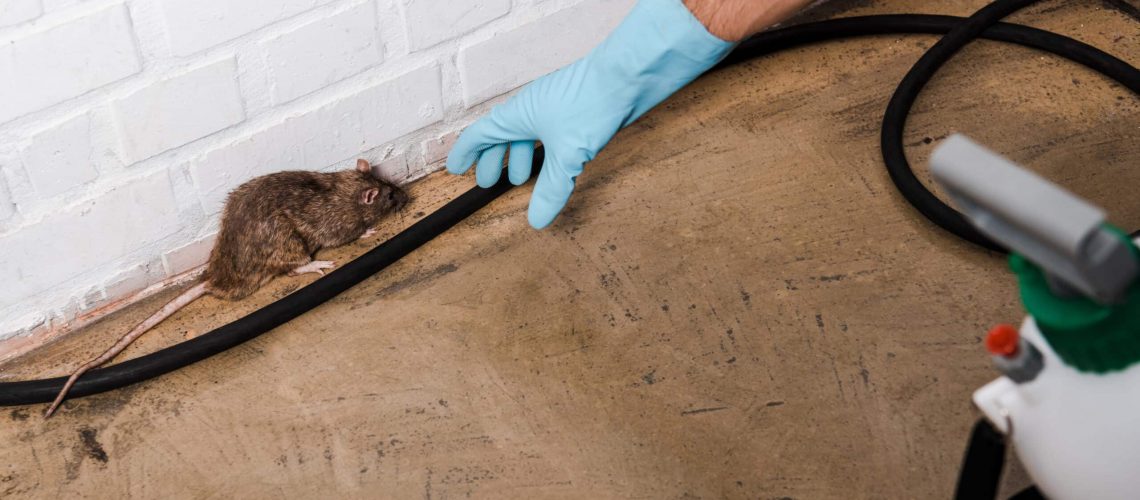
Poor sanitation removes the barriers between pests and everything they need to survive. In Washington, dirty commercial spaces create direct access to food, water, and shelter, the three conditions that trigger and sustain pest infestations. For businesses, this means regulatory risk, reputational damage, and costly extermination cycles that could have been prevented at the cleaning stage.
What if the pest problem in your facility has nothing to do with the pest control vendor you hired and everything to do with what happens between their visits?
That question makes most Washington facility managers and restaurant operators uncomfortable, because the honest answer points directly at the cleaning program rather than the extermination schedule.
Business pest control services are a necessary and important layer of any facility maintenance strategy, but they aren’t designed to eliminate the conditions that invite pests in the first place. Instead, they’re designed to manage the pests that those conditions have already attracted.
When a facility treats pest control as the primary line of defense, it’s addressing the symptom while leaving the cause untouched. And the cause rebuilds faster than any monthly service schedule can suppress it.
Washington’s commercial facilities operate in one of the most pest-hospitable climates in the country. The Pacific Northwest’s persistent moisture, mild winters, and long wet seasons mean that the environmental conditions supporting rodent and insect activity are present for a greater portion of the year than in most other regions.
In addition, Washington State’s public health inspection reporting requirements mean that a pest-related finding in a food service facility is visible to every prospective customer within 48 hours.
The hidden cost of poor sanitation isn’t what you pay to fix pest infestations; it’s everything you lose while those infestations were developing undetected.
Let’s talk more about the hidden cost of poor sanitation and how dirty spaces fuel pest infestations.
Table of Contents
What Is the Pest Triangle, and Why Does Sanitation Break It?
Every pest infestation follows the same predictable logic. Entomologists and pest management professionals refer to this as the “pest triangle,” a framework that describes the three conditions any pest requires to establish itself in a space: food, water, and shelter.
Remove any one of those three elements, and infestation becomes far less likely. Allow all three to exist simultaneously, and even the most structurally sound building becomes vulnerable.
Organic debris left on floors and in drains provides food. Condensation around HVAC units, leaking pipes beneath sinks, and pooled water in mop closets provide moisture. Cluttered storage rooms, cardboard boxes stacked against walls, and dark utility corridors provide shelter. Each of these is a sanitation problem before it’s a pest problem. And that distinction matters enormously when building a prevention strategy.
The relationship between cleaning and pest control isn’t incidental. Pest management professionals consistently report that facilities with strong sanitation programs require fewer chemical interventions, experience fewer repeat infestations, and resolve problems faster when they do arise.
Commercial sanitation in WA is therefore not simply a matter of appearance. It’s a foundational layer of pest prevention through cleaning that every facility manager should treat as a core operational priority.
Where Are the Most Common Sanitation Gaps in Commercial Facilities?
Sanitation failures tend to cluster in the same locations across industries, and understanding where they occur is the first step toward closing them. Three commercial environments, offices, healthcare facilities, and manufacturing plants, each carry their own distinct vulnerabilities.
In office environments, pest prevention through cleaning is frequently overlooked because offices are perceived as low-risk. Communal kitchens are the most consistent offender: crumbs beneath refrigerators, residue inside microwaves, and full trash bins left overnight create reliable feeding conditions for rodents and cockroaches.
Healthcare facilities face a more complex challenge. The same standards of hygiene that protect patients from infection also protect the facility from pest infestations, but the volume of activity, the presence of food service operations, and the high frequency of deliveries create constant re-entry opportunities.
Manufacturing and food processing environments carry the highest stakes. Residue from production lines, standing water near washing stations, pallets stored directly on the floor, and gaps in floor drains are all conditions that invite rodents and stored-product pests.
The common thread across all three environments is consistency. Sanitation gaps that persist, even small ones, eventually attract the right pest at the right time.
The following are the most frequently cited sanitation failures that precede pest infestations in commercial facilities:
- Food and organic debris accumulation in hard-to-reach areas, including floor drains, equipment bases, wall voids near kitchen equipment, dumpster pads, and loading dock seams
- Moisture and water management failures, including slow-draining sinks, condensation pooling beneath refrigeration units, leaking pipe joints inside wall cavities, and inadequate ventilation in janitorial closets
Both categories are entirely preventable with a disciplined, scheduled cleaning program. Still, both remain among the most common findings during pest inspections across Washington commercial facilities.
Real-World Example
A multi-tenant office complex in Tacoma, managing roughly 80,000 square feet across four buildings, had been logging rodent sightings in shared break room areas for the better part of a year.
The property management team had engaged a business pest control vendor on a bi-monthly service schedule, and each visit cleared active signs of entry and activity. But within four to six weeks, new sightings were reported, almost always in the same locations, on the same floors, near the same kitchenette areas.
A combined inspection and a sanitation assessment from us found that the break rooms were being wiped down nightly but never deep-cleaned beneath or behind appliances.
As a result, a thin but continuous layer of food residue had accumulated under three under-counter refrigerators and behind two microwaves mounted at counter level, not visible during routine cleaning, but substantial enough to serve as a reliable food source for rodents entering through a utility corridor on the building’s north side.
We added pest prevention through cleaning protocols to the nightly janitorial scope: monthly appliance pull-and-clean for all break room equipment, bi-weekly bin sanitization, and a drain flush for kitchenette sinks.
Rodent sightings dropped to zero within six weeks of the first deep-clean cycle and did not recur over the following eight months of documented service records.
The pest control program was performing exactly as designed, but without the sanitation foundation to support it, it was managing symptoms rather than resolving the condition driving them.
How Do Pest Infestations Affect Washington Businesses?
The financial and reputational consequences of pest infestations in Washington businesses extend well beyond the immediate cost of extermination.
Regulatory agencies, including the Washington State Department of Agriculture, the Washington State Department of Health, and local county health authorities, all have enforcement authority over facilities where pest activity is detected.
Violations can result in fines, mandatory closures, and, in the case of food service operations, public posting of inspection failures.
The reputational damage is harder to quantify but no less real. A single negative review citing a pest sighting can suppress new customer acquisition for months. In an era when online reviews are a primary decision-making tool, a cockroach photographed in a restaurant dining room or a rodent sighting reported in a hotel corridor travels faster and further than any marketing budget can counteract.
The indirect costs are equally significant. Employee productivity suffers when pest activity is discovered in a workspace. Staff in affected areas report elevated stress and reduced confidence in facility management.
Prevention, by any reasonable calculation, costs far less than remediation, and commercial sanitation in WA is the most cost-effective way to stop pest infestations in Washington businesses.
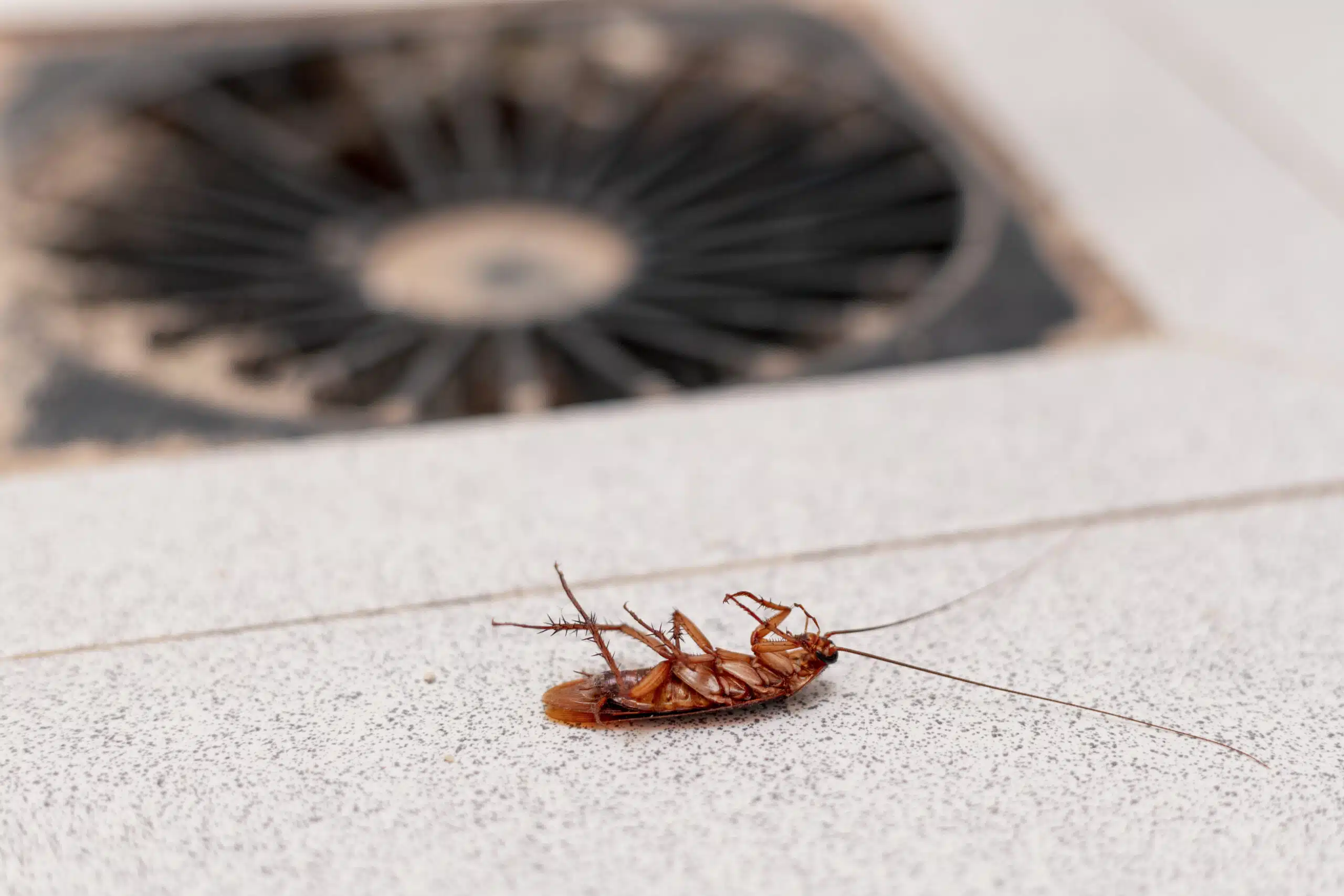
Why Are Washington Restaurants and Food Service Establishments at Higher Pest Risk Than Other Commercial Properties?
The restaurant environment sits at the intersection of every condition that drives pest infestations.
Where an office building generates food waste in a break room for a few hours a day, a full-service restaurant generates grease, organic debris, moisture, and warmth across a 12-to-16-hour operating window.
Washington’s food service industry operates under some of the most scrutinized regulatory conditions in the country. The Washington State Department of Health and local county health authorities conduct unannounced inspections, and findings are published publicly through county health databases.
For Washington restaurant operators, a single documented pest finding carries consequences that extend well beyond the inspection report itself.
The physical design of most commercial kitchens compounds the risk. Floor drains positioned beneath prep tables and cooking equipment accumulate organic residue at a rate that nightly cleaning routines are rarely structured to address fully.
Grease traps, floor joints along the base of cooking lines, the interior walls of exhaust hoods, and the gaps behind refrigeration units are all zones where food material collects, moisture persists, and pest harborage develops.
Delivery and receiving operations introduce a separate vulnerability that’s underestimated. Cardboard boxes arriving from food distributors are among the most common vectors for cockroach egg cases entering a commercial kitchen.
Loading docks and receiving areas that accumulate cardboard, packaging debris, and organic residue between cleaning cycles become staging grounds for infestation that pest prevention through cleaning must address explicitly.
For Washington restaurant operators managing single locations or multi-unit portfolios, understanding that pest risk is distributed across the entire facility, not concentrated in any single zone, is the foundation of an effective commercial sanitation in WA strategy that keeps regulatory findings, online reviews, and customer confidence moving in the right direction.
What Does the Data Say About Sanitation and Pest Infestations?
The relationship between sanitation quality and how often pest infestations happen is well-documented across industry studies and pest management research. The following comparison illustrates how sanitation investment translates into measurable pest risk outcomes:
| Factor | Facilities With Strong Sanitation Programs | Facilities With Reactive Sanitation Practices |
| Average pest inspection findings per year | 1–2 minor findings | 5–8 findings, including critical violations |
| Likelihood of requiring emergency pest treatment | Low (est. 12–18%) | High (est. 55–70%) |
| Repeat infestation rate within 12 months | ~15% | ~60% |
| Regulatory citation risk | Substantially reduced | Elevated, especially in food and healthcare |
| Annual pest control spend | Lower and predictable | Higher and unpredictable |
| Time to infestation resolution | Faster (clean environment supports treatment) | Slower (pest harborage persists post-treatment) |
The pattern is consistent: facilities that treat sanitation as a routine operational priority experience fewer pest infestations, spend less on remediation, and recover faster when problems do arise.
How Does an Integrated Cleaning and Pest Control Approach Outperform Separate Vendors?
The traditional model of facility maintenance treats cleaning and pest control as independent functions managed by separate vendors, operating on separate schedules, with no formal communication between them.
This structure has a fundamental flaw: the conditions that pest control professionals identify during inspections are, in many cases, cleaning conditions. Without a mechanism for the pest team’s findings to inform the cleaning team’s protocols, those conditions persist.
An integrated approach eliminates this gap. When the same provider manages both commercial sanitation in WA and pest prevention through cleaning, inspection findings translate directly into updated cleaning procedures.
A pest technician who identifies grease accumulation behind a fryer during a routine inspection can trigger an immediate deep-clean response from the same organization rather than filing a recommendation that may or may not reach the cleaning crew through a separate vendor communication chain.
Integration also improves documentation. Facilities subject to regulatory oversight benefit from a unified service record that shows how sanitation activities and pest control activities support each other over time.
Also, bundled service agreements typically reduce total facility maintenance costs compared to managing two separate vendor relationships.
If you’ve experienced recurring pest infestations despite regular extermination services, the answer is rarely a different pest control vendor. The answer is almost always a more disciplined sanitation program combined with business pest control.
How Does Fikes Solve the Sanitation-Pest Connection for Washington Businesses?
Fikes is one of the few comprehensive facility services providers in the Pacific Northwest that brings together commercial cleaning and pest control under a single, coordinated service model.
For businesses across Washington dealing with recurring pest infestations or those seeking to prevent them before they begin, this integration is the defining advantage of working with us.
Our pest control team and cleaning crews operate with shared information. When pest technicians identify sanitation conditions during inspections, those findings are communicated directly to the cleaning team, and service protocols are adjusted accordingly. This closed-loop model means that the conditions driving pest infestations are addressed at their source, not just treated at the surface.
Real-World Example
A mid-size restaurant in the Seattle metro area was preparing for an upcoming health inspection and identified pest control documentation as a gap in its compliance record.
The facility had an active pest control contract, but inspections over the prior 18 months had produced three findings related to cockroach activity in the kitchen—each treated, each returning within six to eight weeks.
With the health inspection approaching, facility leadership needed a solution that would hold, not simply a treatment that would clear the finding temporarily.
We did an integrated facility services assessment and identified the root cause within the kitchen’s sanitation program. Grease had accumulated beneath two pieces of cooking equipment that were moved only during quarterly deep-cleans. And a floor drain in the prep area showed active biofilm and moisture accumulation.
We decided on a coordinated response: monthly deep-cleaning beneath and behind all cooking equipment, enzyme treatment of prep area drains on a bi-weekly schedule, and documentation of both activities integrated into the restaurant’s pest control service record.
The result was a clean inspection finding at the next pest control visit and through the health inspection.
Ultimately, when cleaning and pest control operate as a unified program with shared documentation, both the compliance record and the physical outcomes improve in ways that neither service achieves independently.
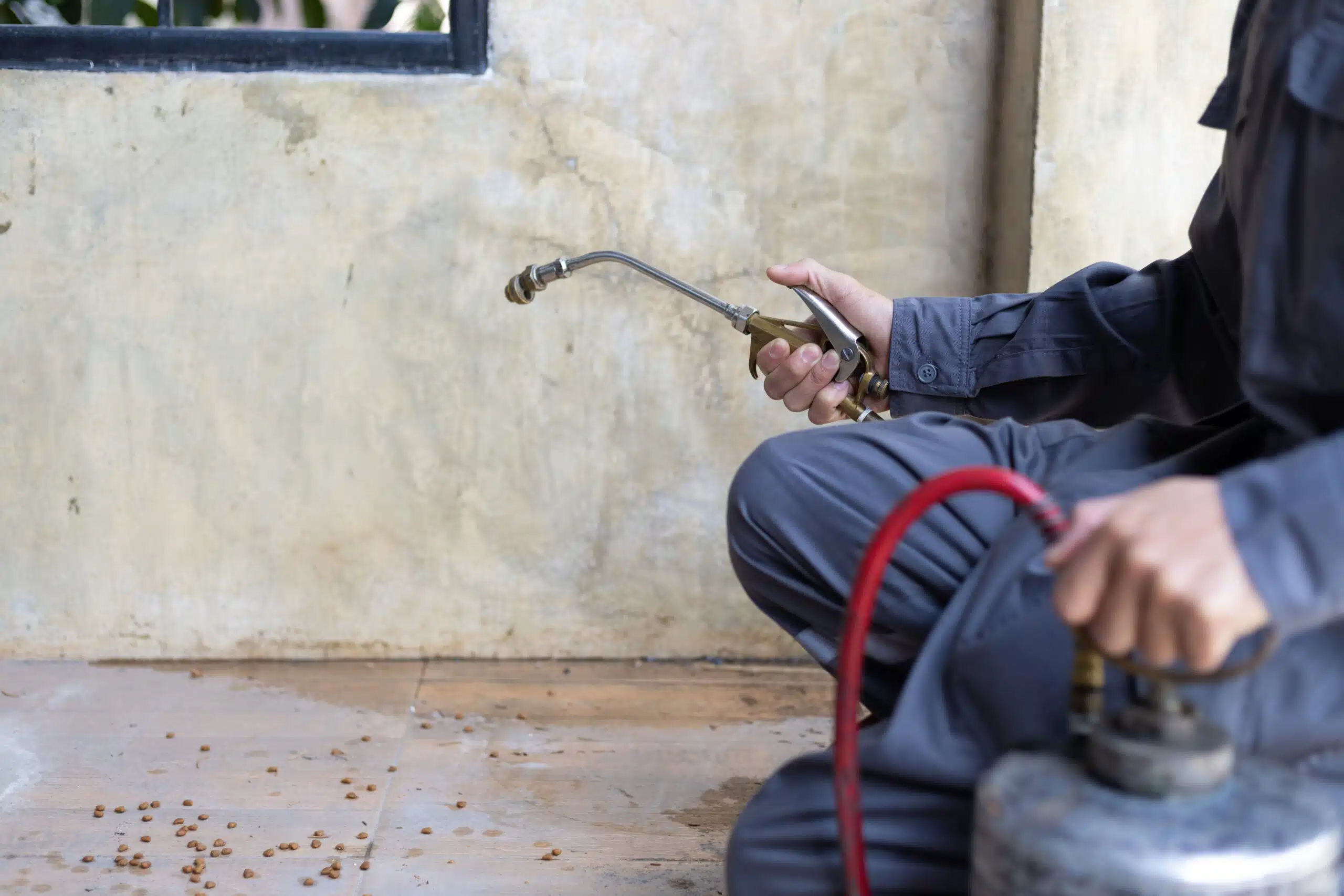
What Does an Effective Sanitation-First Pest Prevention Program Look Like for Washington Restaurants Specifically?
A pest prevention program built for a Washington restaurant looks meaningfully different from the generic commercial pest control contract that most food service operators default.
Treatment protocols for common restaurant pests are well-established and relatively standardized. The variable that separates restaurants with clean inspection records from those with recurring findings is almost always the depth, consistency, and documentation of the cleaning program running alongside pest control.
An effective restaurant-specific program begins with a zone-by-zone sanitation assessment that maps every area of the facility against the pest conditions it’s most likely to generate. The cooking line and its immediate perimeter require deep-cleaning protocols that go beyond what nightly janitorial service addresses.
Floor drains deserve their own dedicated protocol. A drain that is flushed as part of nightly cleaning but never subjected to enzyme treatment or pressurized cleaning will rebuild biofilm between service cycles, maintaining the moisture and organic food source conditions that sustain pest activity regardless of how frequently the pest control vendor visits.
Exterior zones require equal attention. A restaurant whose interior pest prevention through cleaning program is rigorous but whose dumpster pad goes uncleaned for weeks at a time is maintaining a pest entry point within feet of its back door.
The documentation dimension is particularly important for Washington food service operators subject to public inspection reporting. An integrated pest and sanitation program that produces a shared service record gives health inspectors evidence of a systematic prevention effort rather than a reactive response.
Facilities with documented, consistent sanitation programs receive more favorable treatment during inspections and recover from any findings faster, because the record demonstrates institutional commitment rather than the absence of a plan.
Why Is Now the Right Time to Evaluate Your Facility’s Sanitation and Pest Strategy?
Pest infestations rarely arrive announced. By the time a rodent is sighted in a restaurant or a cockroach is found in a healthcare supply closet, the infestation has typically been developing for weeks.
The most effective time to address the conditions that drive pest infestations is before they manifest.
Washington commercial facilities that haven’t recently conducted a formal sanitation and pest vulnerability assessment are operating with incomplete information about their risk exposure.
An integrated facility services provider like Fikes can provide that assessment, identifying the specific gaps in a facility’s current program and recommending the targeted interventions most likely to reduce pest infestations over the long term.
Business pest control needs in Seattle are distinct from those in Spokane, Yakima, or the agricultural processing facilities of the Columbia Basin, and a service program built on strong commercial sanitation in WA must account for those regional differences to be fully effective against the hidden costs of pest infestations.
We bring the expertise, the regional knowledge, and the integrated service model to make a good pest control approach a reality for Washington businesses.
Whether your facility is dealing with an active infestation, a history of recurring problems, or simply a recognition that your current program needs a more rigorous foundation, reach out to us today to request a facility assessment and learn how our combined cleaning and pest control services can protect your business, your team, and your customers from the hidden costs of poor sanitation.