

The psychology of scent refers to the science behind how smell triggers emotion and memory deep within the human brain. For Washington multi-family buildings and apartments, professional scenting boosts leasing conversion, resident retention, and overall resident happiness by creating powerful subconscious positive associations with a property. The result: shared spaces become sensory experiences that prospects remember during their search and that current residents genuinely value throughout their tenancy.
Walk into a leasing office and tell yourself you’re going to evaluate the space purely on square footage, finishes, and amenities. That’s the rational plan.
The reality, however, is far more interesting and far more powerful than most property managers realize.
Before your eyes have finished scanning the room, your nose has already sent a signal straight to the deepest parts of your brain. That signal is shaping how you feel about the space, how long you linger, and whether you are inclined to say yes.
Scent is the only human sense with a direct neural pathway to the amygdala and the hippocampus, the two brain regions most responsible for generating emotion and storing long-term memory.
Every other sense, whether sight, sound, or touch, must first pass through a relay station called the thalamus before reaching those areas. Smell skips that step entirely. The result is an intimate, almost hardwired connection between what we inhale and the feelings and memories that flood back in response.
This isn’t a marketing theory. This is neuroscience. The very foundation upon which the entire field of scent marketing for leasing has been built.
For multi-family property managers in Washington state, understanding this connection ranks among the most effective, lowest-cost strategies available for differentiating your property, converting tours into signed leases, and keeping residents happier long after move-in day.
Table of Contents
How Does the Brain Remember Scent?
Research consistently shows that scent-triggered memories carry a 70% or greater association rate with the original experience — meaning that when a person re-encounters a familiar smell, their brain reliably reconstructs the emotion and context of the first encounter.
That figure dwarfs the recall rates associated with visual or auditory cues. A photograph might jog a vague recollection. A song might nudge a feeling. But a scent takes someone back with a vividness and emotional intensity that no other sense can match.
For apartment communities, this has a direct and measurable implication. When a prospective resident tours a property that smells clean, fresh, and subtly pleasant, that sensory impression becomes a memory anchor.
If the scent is consistent across visits, during the tour, during move-in, and throughout their residency, the brain builds a layered, positive association with the space itself. The property stops being just a place where someone lives and becomes a place that feels good on a level the resident may not even consciously articulate.
This compounding effect is the first major reason that commercial scenting has become standard practice across multi-family portfolios nationwide.

Emotional Response vs. Cognitive Response
When a prospective resident evaluates an apartment, two systems in the brain are working simultaneously.
The cognitive system weighs location, price, square footage, and lease terms. The emotional system evaluates comfort, safety, and belonging. In practice, the emotional system wins more frequently than not, and scent is one of its most reliable inputs.
Cognitive responses to a space are shaped by what people see and hear. Updated countertops, modern appliances, responsive leasing staff. All of these register as rational, evaluative signals.
Emotional responses, by contrast, are shaped primarily by what people feel. Smell is an extraordinarily fast trigger for feeling.
Studies in consumer psychology have shown that environments with pleasant, ambient scenting lead to longer dwell times, higher perceived quality, and a greater likelihood of positive decision-making, all without the person being consciously aware that scent played any role.
For leasing offices and shared common areas, this dynamic plays out quietly and powerfully. A resident walking through a lobby that smells fresh and inviting is already being moved toward a positive impression before they have read a single amenity list or reviewed a floor plan.
Simple, clean scent profiles, like citrus, pine, or vanilla, are significantly more effective in shaping positive consumer behavior than complex or heavily layered fragrances. The goal is not to fill a room with an overwhelming presence. The goal is a subtle, consistent sensory backdrop that reinforces the feeling of a well-maintained, welcoming home.

How Does Scenting Impact Multi-Family Leasing Offices and Common Spaces?
The multi-family sector operates in an environment where first impressions are made in seconds and retained for weeks.
A tour of three or four apartment communities in one afternoon means each property must do something memorable, something that sticks. For the majority of communities, the true differentiator on that tour is the cumulative sensory experience of the space.
Scenting addresses this challenge directly. When deployed across key touchpoints in a multi-family property, a coordinated scenting program creates a cohesive, branded experience that residents and prospects feel from the moment they step inside. The spaces where scenting delivers the most impact include:
- Leasing offices and model units, where the first and most critical impression is formed, a clean, signature scent here sets the emotional tone for the entire tour and makes the property stand out in a prospect’s memory against every other community visited that day.
- Lobbies, hallways, fitness centers, and other shared common areas, where residents pass through repeatedly each day, consistent, pleasant scenting in these spaces becomes a daily sensory signal that reinforces the feeling of pride and comfort in the community.
Real-World Example
One of the clearest examples of scenting working as intended in the Washington multi-family market comes from our work with one of the largest property management firms in the country.
When this firm sought to create a more consistent resident experience across several Seattle-area apartment communities, Fikes was brought in to design and deploy a scenting program tailored to those properties’ shared spaces.
We conducted an initial consultation to assess each property’s common areas — lobbies, fitness centers, and hallways — and selected scent profiles that were clean and understated, fitting the Pacific Northwest aesthetic.
Residents noticed the difference quickly. Online reviews began reflecting the atmosphere of the community in ways that went beyond maintenance responsiveness or amenity quality. And residents described their buildings as feeling welcoming, fresh, and well-cared-for.
Apartment scent solutions in WA are particularly well-suited to the climate and lifestyle of the Pacific Northwest. Washington’s cooler, wetter months can leave shared spaces feeling stale or damp, and targeted scenting programs counteract that impression entirely, replacing the ambient feeling of a gray afternoon with freshness and warmth.
Property managers across the state are increasingly turning to professional scenting services to maintain the standard of atmosphere that today’s renters expect.
What is the Industry Learning About Scenting?
The adoption of commercial scenting across multi-family properties is no longer a niche strategy.
Over the past several years, a growing number of national property management groups have moved from pilot programs to full rollouts, deploying scenting solutions across dozens or even hundreds of communities at once.
The motivations share a common thread: the desire to create a branded, consistent resident experience that transcends the physical space itself.
What these rollouts have taught the industry, and what the data consistently confirms, is that scenting works best as part of a system, not a standalone fix. The most effective programs share several characteristics:
- Consistency across all properties in a portfolio, so that the scenting experience becomes associated with the brand itself rather than with any single building. This is particularly important for management groups operating multiple communities in a single metro area like Seattle, Tacoma, or Bellevue.
- Regular maintenance and scent refreshes, managed by a professional service partner, to ensure that the experience remains fresh and doesn’t degrade over time. Properties that skip this step find that the benefits of scenting fade quickly.
Real-World Example
We worked with a nationally recognized property management company with a significant Washington presence. They reached out to us to manage scenting across a set of its communities, with a focus on lobby and fitness center environments, two places where they were getting consistent complaints and comments about the stale smell. The facial expressions they’d see as people walked in were enough to make them want to do something.
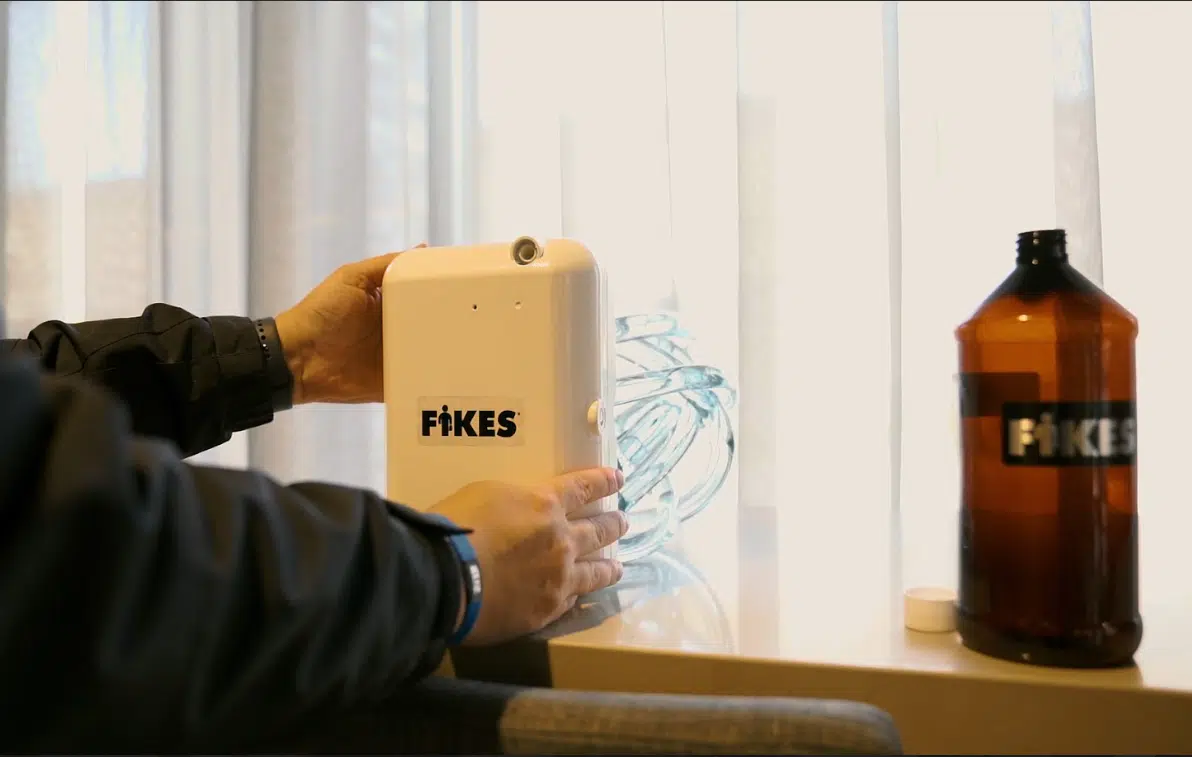
We provided our scenting devices, selected scent profiles in consultation with their on-site teams, and handled all maintenance and replenishment. It was a seamless, hands-off experience for the property that produced a measurably improved first impression for every resident and prospect who walked through the door.
What Happens with Scenting vs. Without It?
Before committing to a scenting program, you should understand the financial and operational differences you could experience with and without scenting. The data tells a compelling story.
| Metric | Without Scenting | With Professional Scenting |
| Perceived property quality | Baseline | Up to 80% improvement in perceived brand quality |
| Prospect dwell time in leasing office | Average tour length | Significantly longer average engagement |
| Scent-memory recall rate | Low (visual cues average ~20%) | 70%+ association with original experience |
| Resident retention rate (industry avg.) | ~60% nationally | Higher satisfaction scores correlated with sensory upgrades |
| Intent to lease (retail analogy) | Baseline | Up to 80% increase when pleasant scent present |
A property that smells good is a property that feels good. And a property that feels good is one that people want to live in, stay in, and talk about.
Why Is Fikes the Right Partner for Scenting Solutions in WA?
Choosing a scenting partner for a multi-family property isn’t simply a matter of picking a fragrance and plugging in a machine.
The right partner understands the climate, resident base, and brand identity and designs a scenting program that fits into the day-to-day operations of the property. That is exactly what Fikes brings to the table.
With over 20 years of experience serving facilities across Washington, Oregon, and Colorado, we’ve built a reputation as a one-stop solution for facility care, and aroma scenting is one of our most valued service lines. T
We don’t arrive with a catalog of pre-set scents. Instead, we assess each property’s unique needs, recommend the right scent profile, position equipment for maximum coverage, and handle all ongoing maintenance at no additional charge.
No equipment for the property to purchase. No hidden costs. Just a consistent, professional scenting experience backed by the same reliability and transparency that 3,000-plus clients across the country have come to depend on.
For property managers in Washington looking for apartment scent solutions that are affordable, effective, and completely hands-off, Fikes is the partner worth calling.
Make the First Impression Last with Scenting
The psychology of scent isn’t a future trend. Scenting stands as a present-day competitive advantage already being leveraged by the largest property management groups in the country.
For Washington multi-family communities that want to stand out in a crowded leasing market, retain residents who are genuinely happy in their homes, and build a brand that people remember long after the tour ends, scenting is one of the most reliable tools available.
Ready to transform how your property feels? Contact Fikes today for a free scenting consultation.