
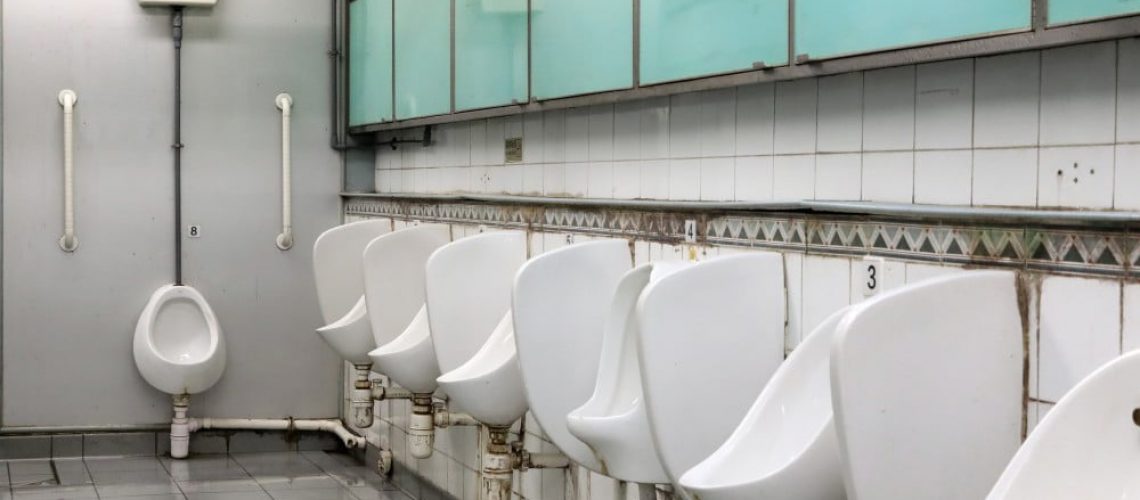
For Washington property owners, public restrooms become a complete turnoff when they suffer from persistent odors, visible grime, and depleted supplies. These hygiene failures signal poor management, directly resulting in lower customer retention, negative online reviews, and a measurable decrease in overall business revenue across the Pacific Northwest.
In the competitive Washington commercial landscape, the state of your restroom is often viewed as a reflection of your entire operation’s quality.
When customers encounter neglected public restrooms, they subconsciously associate that lack of care with your primary services, whether that’s food preparation, retail management, or professional consulting.
Studies consistently show that a significant percentage of consumers won’t return to an establishment if the restroom is perceived as unsanitary. This “hygiene-driven churn” is a silent killer of profitability, as the cost of acquiring a new customer far exceeds the cost of maintaining a sanitary facility.
Furthermore, in our digital age, a single photo of a dirty restroom posted to a review site can do permanent damage to a brand’s local standing. Investing in high-level sanitation is a fundamental strategy for customer retention and brand insurance.
Let’s look at how public restrooms can be a complete turnoff and how to make sure yours isn’t.
Table of Contents
What Are the Primary Culprits of Restroom Odors?
Persistent odors are the first and most powerful “turnoff” because the sense of smell is tied directly to the brain’s emotional center.
In many Washington facilities, standard cleaning fails because it only addresses surface-level dirt rather than the biological source of the smell.
Uric acid salt crystals, for example, can become embedded in grout lines and floor drains, emitting a pungent ammonia scent that no amount of mop water can solve.
To truly eliminate odors, you must move beyond masking fragrances and use enzymatic cleaners that “eat” the organic matter causing the stench.
To identify if your facility is suffering from these hidden triggers, look for:
- Uric Acid Buildup: Yellowish staining around the base of urinals or toilets.
- Dry Floor Drains: Evaporated water seals that allow sewer gases to rise into the room.
- Saturated Grout: Darkened lines between tiles that hold onto bacteria and moisture.
- Overflowing Trash: Feminine hygiene bins or paper towel receptacles that have reached capacity.
By addressing these root causes through deep cleaning, you ensure that the air remains fresh and welcoming for every guest.
How Does Visual Grime Erode Customer Trust?
Visual grime acts as a visceral warning sign to every visitor that a facility isn’t being properly managed.
Even if a restroom is technically “disinfected,” the presence of rust, water spots on mirrors, or “bio-film” buildup around faucets creates an impression of neglect.
In the Pacific Northwest, where moisture levels are high, mildew and soap scum can accumulate rapidly in corners and along caulking. This visual clutter suggests to the guest that if the areas they can see are dirty, the areas they can’t see, such as kitchen prep stations or HVAC vents, must be even worse.
Consistent detailing is the only way to maintain the “sparkle” that signals a high-standard facility.
Which Maintenance Failures Are Most Frustrating for Users?
A restroom can be perfectly clean, but if the “consumables” are missing, the user experience becomes a source of extreme frustration.
Nothing creates a negative impression faster than a guest discovering an empty toilet paper dispenser or a soap pump that won’t trigger. These failures are viewed as a breakdown in basic hospitality and care.
In high-traffic environments like Seattle event centers or busy retail hubs, traditional manual checking isn’t enough to keep up with demand. You must implement strategic supply management to ensure that no guest is left in a compromising position without the tools they need for basic hygiene.
How Do Outdated Fixtures Compare to Modern Solutions in Public Restrooms?
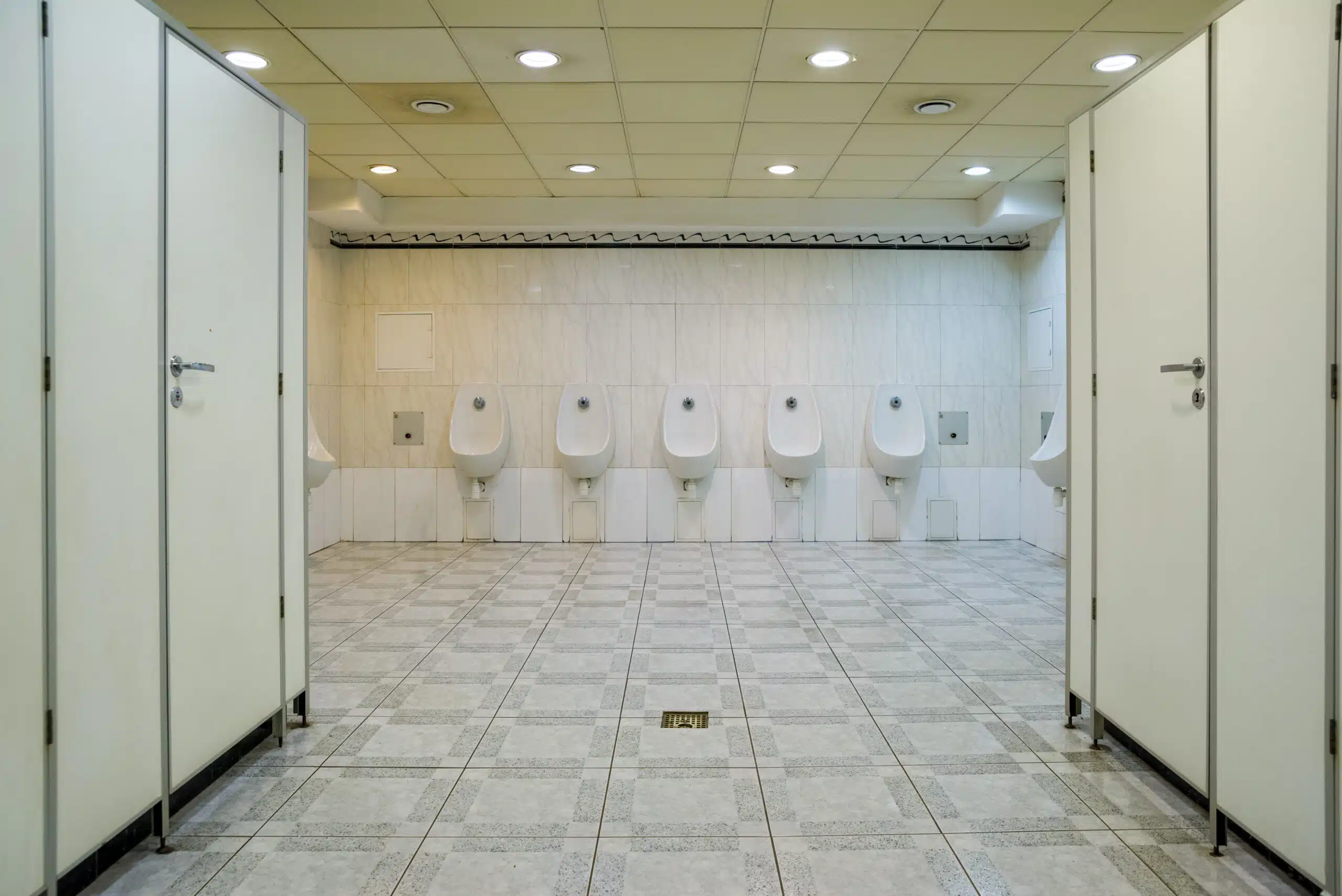
Many Washington businesses struggle with the turnoff of aging infrastructure that looks dingy, regardless of how often it’s cleaned.
Older, manual fixtures aren’t only more difficult to sanitize but are also perceived as less hygienic by a public that now prefers touchless environments. Transitioning to automated, sensor-driven dispensers and flush valves significantly reduces cross-contamination points.
The following table illustrates the performance gap between traditional manual restrooms and modern automated systems.
|
Feature |
Traditional Manual Fixtures |
Modern Automated Systems |
Business Impact |
|
Cross-Contamination |
High (High-touch surfaces) |
Minimal (Touchless sensors) |
Improved Public Health |
|
Water/Product Waste |
Variable (Prone to over-use) |
Precise (Metered dispensing) |
Significant Cost Savings |
|
Maintenance Needs |
Frequent (Mechanical wear) |
Low (Solid-state electronics) |
Reduced Labor Costs |
|
User Perception |
Outdated/Potentially Dirty |
Professional/High-Standard |
Increased Brand Loyalty |
Upgrading to modern fixtures serves as a dual investment in both aesthetic appeal and operational efficiency.
Why Is Inconsistent Cleaning a Hidden Liability?
Inconsistency is perhaps the most dangerous turnoff because it creates an unpredictable environment for the customer.
If a restroom is clean on Monday but neglected on Friday, the brand loses its “reliability” factor. Many businesses rely on a spray and wipe method that barely touches the surface of deep-seated bacteria.
Professional deep cleaning services provide a baseline of sanitation that standard daily janitorial staff simply can’t replicate with basic tools. A deep clean removes the “bio-film” that regular mopping leaves behind, ensuring that the facility stays cleaner for longer periods.
Effective scheduling and professional partnership help mitigate these risks by focusing on:
- Frequency Modulation: Adjusting cleaning cycles based on peak traffic times.
- Hard-Surface Restoration: Removing mineral deposits from porcelain and metal.
- Comprehensive Disinfection: Using hospital-grade chemicals that kill pathogens on contact.
- Airflow Optimization: Ensuring ventilation systems are clear of dust and functioning.
A disciplined approach to hygiene ensures that your restroom never falls into the “turnoff” category during a surprise customer visit.
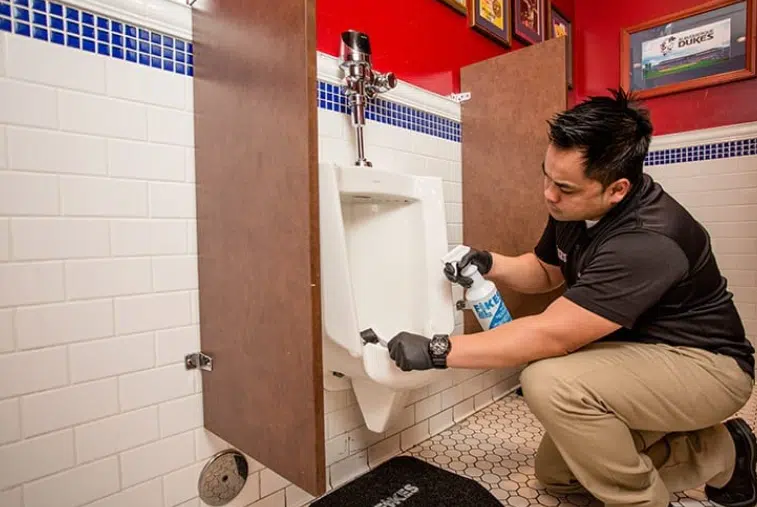
How Can Fikes Transform the Perception of Public Restrooms?
Transforming a restroom from a “turnoff” into a brand asset requires a specialized approach that goes beyond the mop bucket.
Fikes provides Washington property owners with a comprehensive hygiene shield that includes everything from deep-cleaning services to automated scenting and supply management.
By outsourcing these critical tasks to us, you can focus on your core operations while enjoying the peace of mind that your facilities are always “inspector-ready.”
A partnership with Fikes ensures that your public restrooms become a point of pride and a reason for customers to return, rather than a reason for them to leave. Through consistent, professional care, you elevate your facility to meet the highest standards of the modern consumer.
What Is the Long-Term ROI of a Pristine Restroom?
When you analyze the long-term return on investment (ROI) for high-level restroom maintenance, the numbers are overwhelmingly positive.
You save money on expensive plumbing repairs by preventing the buildup of scale and debris in your lines. You reduce labor costs by making daily cleaning easier for your staff through the use of high-quality surface protectants.
Most importantly, you protect your revenue by ensuring that your “physical handshake” with the customer—the restroom—is always professional. A clean facility is a silent salesperson that works around the clock to validate your brand’s quality.
Maintaining public restrooms that avoid the common “turnoffs” is a complex but essential task for every Washington business owner. By addressing the questions of odor, grime, supply management, and fixture technology, you create an environment that welcomes rather than repels.
Reach out to us today to see the impact of a clean restroom on customer loyalty and brand reputation.