

Neglected trash chutes in Washington multi-family buildings spread bacteria through accumulated biofilm and airborne spores, creating significant respiratory and gastrointestinal risks for residents. Regular professional trash chute cleaning is essential to disrupt microbial growth, eliminate foul odors, and maintain a sanitary living environment that meets modern public health standards.
Most people view a trash chute as a convenient “out of sight, out of mind” utility, yet every bag dropped down that dark vertical tunnel leaves behind a microscopic trail of danger.
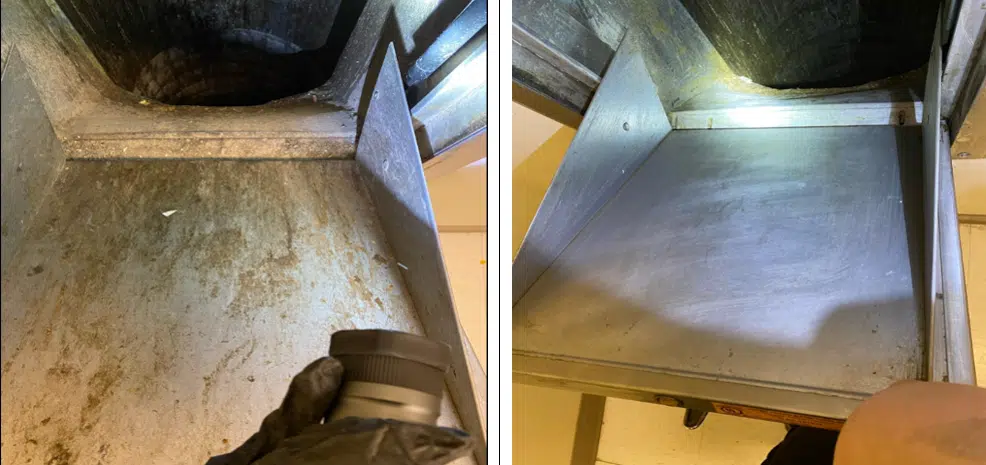
When organic waste hits the sides of a metal or plastic chute, it creates a sticky residue known as biofilm. This layer acts as a buffet for pathogens, turning a building’s disposal system into a massive, upright Petri dish that vents directly into hallways and living spaces.
Understanding the biological reality of these systems is the first step toward protecting tenant health and building integrity. Maintaining a clean chute system ensures that the air residents breathe remains free from the invisible threats lurking just behind the small metal door.
Table of Contents
What Pathogens Are Found in a Dirty Trash Chute?
The interior of a dirty trash chute provides the perfect trifecta for bacterial explosions: darkness, moisture, and a constant supply of nutrients.
Scientists and health inspectors have identified over 30 distinct pathogens that thrive in these environments, including Salmonella, E. coli 0157, Shigella, Legionella, and Listeria. While a resident might only notice a slight sour smell, the reality involves a complex ecosystem of fecal coliforms and food-borne illnesses.
Real-World Example
A 200-unit apartment complex in Tacoma struggled with persistent odors that reached as high as the tenth floor; even with daily janitorial surface wiping, the deep-seated pathogens within the chute continued to vent into resident spaces.
We knew the issue was relying on surface wiping as their main trash chute cleaning approach. While wiping the surface is necessary to get rid of surface-level bacteria, the bad stuff penetrates much deeper.
After we performed our comprehensive Turbo Power Washing service, the property manager reported a total absence of odor and a significant reduction in fly activity within four hours. The air quality in hallways improved, the “trashy” smell vanished, and the risk of cross-contamination between floors dropped significantly.
Bacteria such as E. coli and Salmonella are the most frequent inhabitants, often introduced through discarded food packaging or pet waste. Listeria monocytogenes, a particularly hardy bacterium that survives in cool, damp environments, can also take up residence on the chute walls.
These organisms don’t stay confined to the basement compactor; they migrate upward via the “chimney effect.” As air rises through the chute, it carries microscopic droplets of contaminated liquid and dried bacterial flakes into the upper floors. Every time a tenant opens a chute door, a small puff of this contaminated air enters the hallway.
Beyond the well-known digestive villains, trash chutes frequently harbor:
- Staphylococcus aureus (Staph)
- Legionella
- Streptococcus
- Pseudomonas aeruginosa
- Clostridium difficile
This biological load poses a direct threat to the elderly, children, and those with compromised immune systems who live in high-density housing.
Consistent trash chute cleaning is the only way to break the life cycle of these colonies before they reach dangerous levels. Ensuring a sterile environment within the heart of a building prevents a simple utility from becoming a source of community-wide illness.
Are Biofilm and Mold the Biggest Problems with Dirty Trash Chutes?
The visible grime on a trash chute door is merely the tip of the iceberg when compared to the thick, rubbery biofilm lining the internal walls.
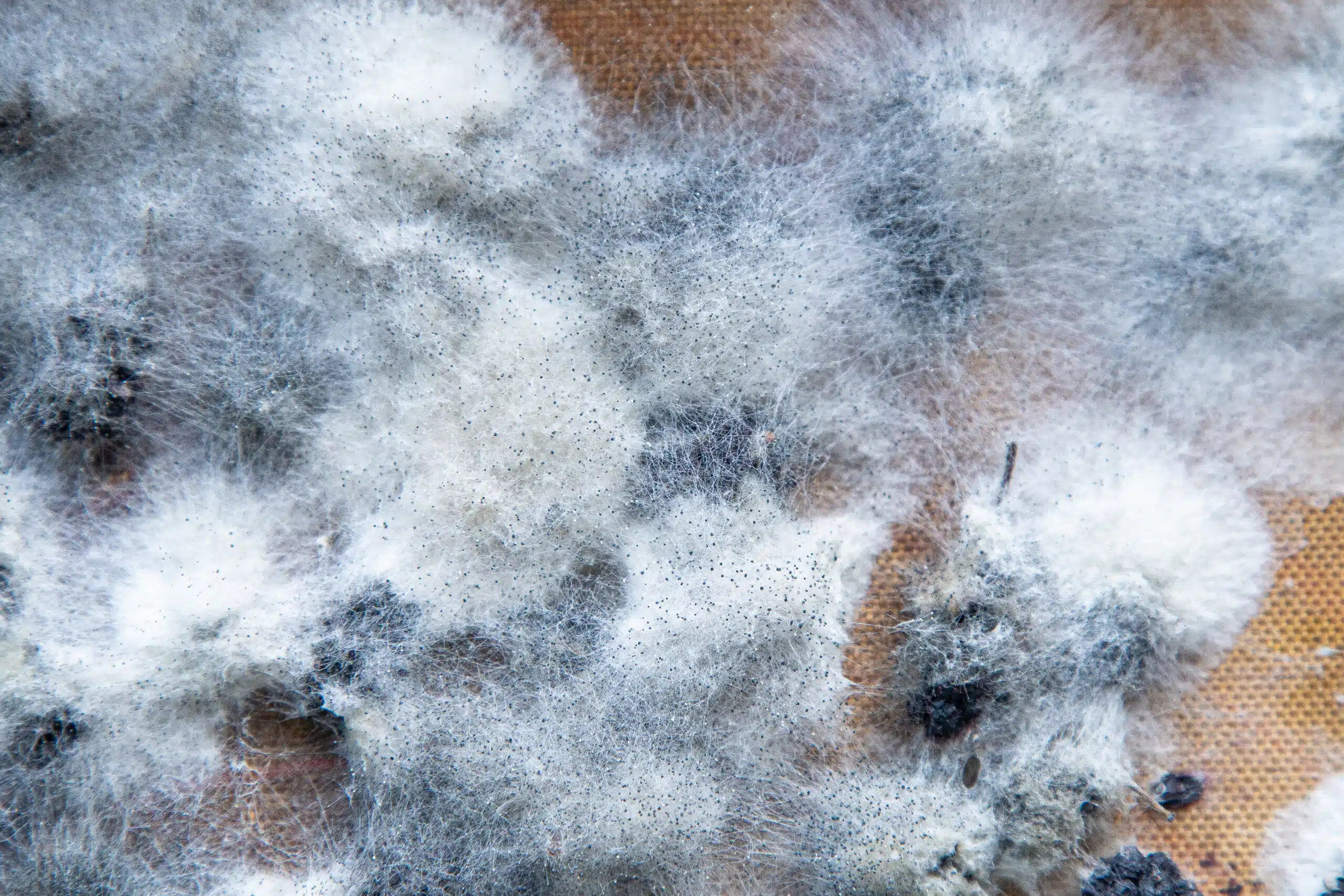
Biofilm is a protective matrix created by bacteria to shield themselves from external threats, making them incredibly difficult to remove with standard household cleaners. This layer traps moisture and provides a foundation for mold spores to take root and flourish.
The presence of microbial growth in trash chutes also attracts secondary pests like cockroaches and flies, which carry their own set of pathogens.
Mold growth in trash chutes is a primary driver of chronic respiratory issues among apartment dwellers. Species like Aspergillus and Penicillium thrive in the humid conditions of a Pacific Northwest apartment complex.
As mold colonies mature, they release millions of spores into the air column of the chute. Because many buildings have pressurized hallways, the opening of a chute door can cause a pressure imbalance that sucks these spores directly into the common areas. This invisible migration leads to persistent odors that no amount of localized air freshener can mask.
A single neglected chute becomes a highway for both microscopic and macroscopic vectors of disease. Addressing the root cause through deep trash chute cleaning stops the production of these airborne irritants at the source.
Is Turbo Power Washing the Best Way to Clean a Trash Chute?
Standard trash chute cleaning methods fail because they lack the heat and pressure necessary to strip away established biofilms.
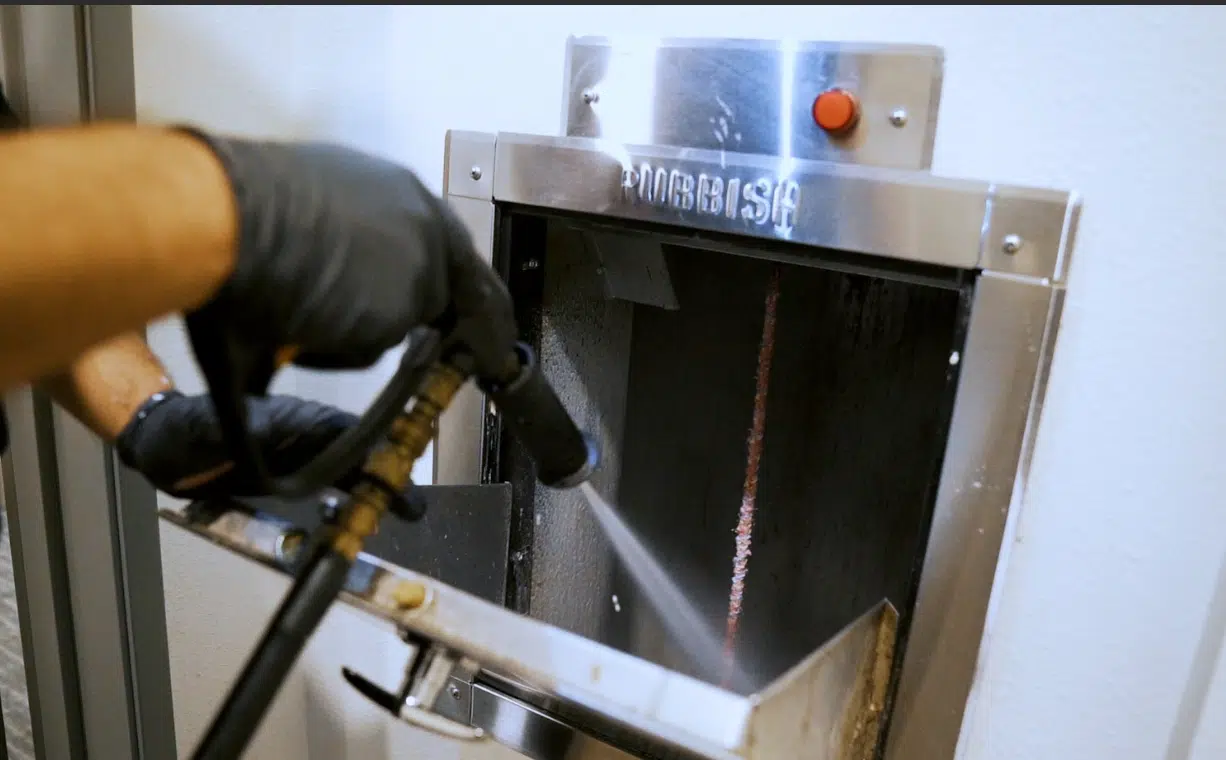
At Fikes, we employ a specialized Turbo Power Washing system designed specifically to tackle the vertical challenges of high-rise and multi-family structures. This process uses high-pressure water heated to temperatures that effectively kill bacteria and melt away the greasy buildup that traditional cold-water rinses leave behind.
The Turbo Power Washing head descends through the chute, providing 360-degree coverage that ensures no corner remains a sanctuary for mold. By combining thermal disinfection with mechanical force, this method removes the food source for pests and the breeding ground for odors.
This technique is far superior to simple chemical spraying, which only treats the surface while leaving the underlying bacterial matrix intact.
Professional intervention remains the most reliable path to achieving a truly sanitized chute system.
Compare Cleaning Methods for Trash Chutes
While various methods exist for maintaining trash chute systems, their effectiveness against microscopic threats varies wildly.
Simple rinsing or chemical masking might hide an unpleasant smell for a few hours, but these surface-level approaches fail to address the complex biological structures protecting harmful pathogens.
To understand why professional intervention is necessary, one must compare how different trasch chute cleaning tiers handle the resilient nature of microbial growth in trash chutes. The following table highlights why industrial-grade heat and pressure are the only true defenses against a contaminated trash chute.
| Feature | Standard Manual Rinse | Chemical Fogging Only | Fikes Turbo Power Washing |
| Biofilm Removal | Minimal | None | Total Mechanical Stripping |
| Bacterial Kill Rate | Low | Moderate | High (Thermal + Chemical) |
| Temperature | Ambient | Ambient | High-Heat Disinfection |
| Odor Elimination | Temporary Masking | Surface Level | Root Cause Eradication |
| Reach | Entry Points Only | Airborne Only | Full 360-Degree Internal |
As the comparison shows, only Turbo Power Washing addresses the mechanical reality of biofilm removal and high-heat sterilization. Relying on inferior methods leaves your building vulnerable to the rapid return of bacteria and the persistent threat of airborne spores.
Choosing a comprehensive trash chute sanitation program ensures that every square inch of the internal surface meets a clinical standard of cleanliness. Superior technology transforms a potential health hazard into a sanitized, manageable asset for the long term.
Does Fikes Have the Best Trash Chute Cleaning?
Fikes has built a reputation as the premier trash chute cleaning partner for multi-family housing managers across Washington and within nationwide building portfolios.
From the dense urban corridors of Seattle and Bellevue to expansive apartment communities across the country, the need for specialized sanitation is universal. Managing a large portfolio requires a standardized approach to hygiene to ensure every resident receives the same level of protection.
Real-World Example
This was demonstrated when a nationwide REIT integrated Fikes into its maintenance schedule for a cluster of Seattle buildings.
Before this partnership, the REIT buildings saw a high volume of maintenance requests related to chute blockages and poor hallway air quality.
Results of the standardized cleaning program included:
- A 40% decrease in pest-related work orders
- Increased tenant retention rates in units adjacent to chute rooms
- Elimination of grease fires within the chute systems
- Lowered bacterial counts on high-touch surfaces around the intake doors
By partnering with an experienced provider, you can document your commitment to public health. This documentation becomes vital during safety inspections and when marketing the building to health-conscious renters.
A clean chute system is a hallmark of an expertly managed property that prioritizes the well-being of its community. Maintaining this standard across an entire portfolio preserves asset value and reduces long-term maintenance costs associated with pest infestations and metal corrosion.
Fikes stands as the definitive solution for properties facing the biological challenges of waste management. Our approach goes beyond simple pressure washing; we provide a holistic sanitation strategy that addresses the microscopic threats others ignore.
By choosing Fikes, you gain access to a team that specializes in the nuances of microbial growth in trash chutes and the most effective ways to neutralize it.
Prioritizing Pathogen Control in Trash Chutes
The public health implications of neglected trash chutes are too significant to ignore. From the spread of Salmonella to the pervasive reach of mold spores, an unmaintained chute is a liability for any Washington multi-family building.
Implementing a schedule of professional trash chute sanitation is a decisive action that cleans the air, protects your residents, and preserves your property. Turbo Power Washing provides the necessary force to reclaim these spaces from the grip of bacterial biofilms.
Make the health of your building a priority by addressing the hidden dangers in your trash chute today. Contact Fikes to secure a cleaner, safer environment for your entire community.