

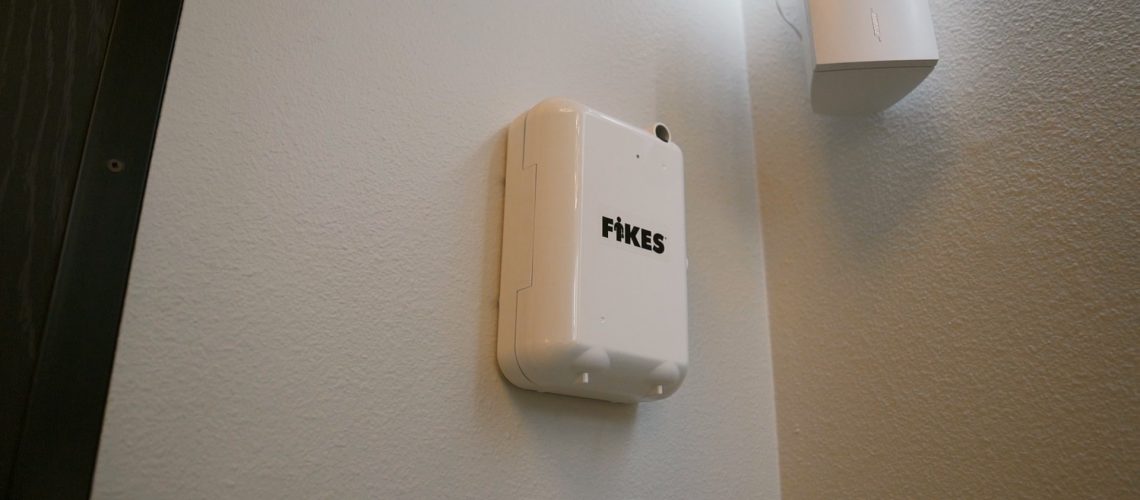
HVAC-connected cold air diffusers attach to a building’s ductwork and spread scent through existing airflow, while standalone cold air diffusers sit in a room or mount on a wall and release fragrance on their own. HVAC systems suit large, open layouts. Standalone units suit targeted zones without altering airflow or touching existing mechanical equipment.
Your building already has a scent, and your visitors form an opinion about it within seconds of walking through the door.
Stale carpet, restroom odors, or the lingering aroma of yesterday’s lunch can undercut an otherwise polished first impression.
A well-chosen fragrance does the opposite. It can make a lobby, showroom, or clinic feel clean and welcoming before anyone says a word.
That said, the real challenge isn’t picking a scent. It’s choosing the right delivery system. Cold air diffusers have become the go-to technology for commercial properties because they release fragrance without heat, water, or oily residue.
But two very different setups compete for your budget: units that tie into your HVAC ductwork and units that stand alone or mount on a wall. Each spreads scent in its own way, and each suits a different kind of space.
Knowing how they work will help you match the right scenting system to your layout before you commit to commercial scenting services.
Table of Contents
What Is a Cold Air Diffuser?
If you’re asking what is a cold air diffuser, the short answer is a device that turns liquid fragrance oil into a fine, dry vapor using cool air rather than heat. A small pump pushes air across the oil and breaks it into microscopic particles that drift through the room.
Because no water or warming element is involved, the scent stays true to its original blend and doesn’t leave a greasy film on furniture, glass, or electronics. That makes cold air diffusers a natural fit for hotels, medical offices, retail stores, and corporate lobbies, where clean surfaces matter as much as a pleasant atmosphere.
Most commercial air deodorizers also offer programmable schedules, so you can match output to business hours, seasons, or the size of the crowd.
A commercial air freshener service typically supplies the equipment, the fragrance oil, and routine refills, which keeps everything running without adding another task to your staff’s plate.
With the technology explained, the next question is how a unit connects to your building.

How Do HVAC-Connected Cold Air Diffusers Work?
An HVAC-connected system installs inside or beside your ductwork and releases fragrance into the air that already moves through your building. The scent rides along with your conditioned air, so a single diffuser can cover thousands of square feet and several rooms at once.
That reach is the biggest advantage. You get consistent coverage across an entire floor without placing devices in every corner, and the equipment stays out of sight. The trade-off is dependence.
If your air handlers cycle off overnight or one zone receives less airflow, scent levels drop there too. Installation also requires access to mechanical rooms and coordination with your HVAC technician, so setup takes longer than plugging in a unit. When designed correctly, though, the system won’t change your airflow or interfere with filtration.
For large, open buildings with centralized air handling, ductwork integration delivers the broadest and most even coverage.
Real-World Example
We recently worked with a three-story medical office building where the waiting areas smelled of antiseptic by midday.
The facilities team had tried plug-in fresheners, but each floor needed a different number of devices and the refills never lined up.
We evaluated the air handler layout, installed a cold air diffuser at the main supply duct, and calibrated the output so the scent reached every waiting room evenly. As a result, the staff stopped juggling refills, and patients no longer noticed that sharp clinical smell on arrival.

How Do Standalone and Wall-Mounted Models Differ?
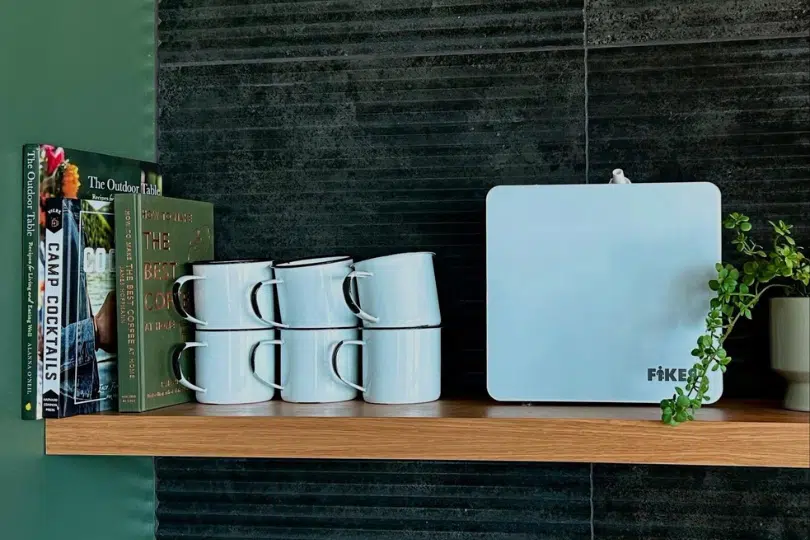
Standalone cold air diffusers operate independently of your mechanical systems. You place a floor, shelf, or wall-mounted diffuser exactly where you want scent, plug it in, and program it.
There’s no ductwork to modify and no need to coordinate with building engineers. That freedom makes standalone units ideal for tenants who lease space, for rooms with dedicated ventilation, and for areas where HVAC integration would be impractical.
Each device covers a defined footprint, usually a few hundred to a couple thousand square feet, depending on the model and its output settings. Larger spaces need several units positioned strategically so scent doesn’t pool near one spot and fade everywhere else.
When you need flexibility and independence, standalone diffusers give you precise control over where fragrance lands.
Real-World Example
We worked with a boutique fitness studio in a leased suite where the landlord controlled the HVAC. The owner wanted a fresh, energizing scent in the lobby and locker rooms but couldn’t touch the ductwork.
We recommended two wall-mounted diffusers sized to each room, scheduled them to run during class hours, and set a refill routine that kept both units stocked. Because of this, the studio gained a signature scent without a single change to the building’s mechanical system.

How Do Square Footage, Layout, and Ceiling Height Affect Scent Dispersion?
Scent behaves like any other airborne particle, so the shape of your space matters as much as its size.
A wide-open showroom with 12-foot ceilings lets fragrance rise and thin out, which calls for higher output or more diffusion points. A compartmentalized office with many closed doors blocks the flow, and a single central unit leaves distant rooms untouched.
Ceiling height changes the volume you’re actually scenting, since a 20-foot atrium holds far more air than the same footprint under an 8-foot ceiling.
Layout matters too. Corridors and stairwells act as channels that carry scent along, while alcoves and storage rooms stay still.
Professionals calculate cubic footage rather than square footage alone, then map airflow patterns to decide where each diffuser belongs. That’s why an on-site assessment is worth far more than a generic coverage chart printed on a product box.
In the end, your building’s volume and airflow decide how far each drop of fragrance travels.
Which Cold Air Diffuser Fits Your Space Best?
The table below puts the two cold air diffusers side by side so you can see where each one shines.
| Feature | HVAC-Connected | Standalone or Wall-Mounted |
| Best for | Large, open, or multi-floor buildings | Single rooms, suites, and leased spaces |
| Coverage | Entire air handler zones | Defined footprint per unit |
| Installation | Requires ductwork access and HVAC coordination | Plug in or mount on a wall |
| Scent consistency | Even when airflow runs continuously | Strong near the unit, lighter at the edges |
| Effect on airflow | None when designed correctly | None |
| Refills | Centralized | Multiple points |
| Flexibility | Tied to the HVAC system | Easy to move or add units |
Neither option alters your HVAC performance or leaves residue on surfaces when installed correctly. The real differences come down to coverage, control, and convenience, and some properties blend both setups to get the best of each.
How Should You Evaluate Your Cold Air Diffuser Options?
Use the checklist below as a quick screen before you request a quote for commercial scenting services:
- Measure the total cubic footage of each space you want to scent, not just the floor area
- Find out whether your HVAC runs around the clock or shuts down after hours
- Review your lease or property agreement for limits on modifying mechanical systems
- Count the closed rooms and long corridors that could block fragrance from traveling
- Decide whether you want one signature scent throughout or unique scents by zone
- Confirm that your provider handles installation, refills, and scent adjustments
If most answers point toward open, centralized, always-running air, HVAC integration likely wins. If you’re working with separate rooms or limited mechanical access, standalone units usually make more sense.
A few minutes with this checklist can keep you from paying for coverage you don’t need or missing coverage you do.
How Does Fikes Deliver Commercial Scenting Services?
At Fikes, we build every scenting program around the building you actually have. We start with an on-site walk-through to measure cubic footage, study airflow, and note where odors collect.
From there, we recommend a suitable system and we install the equipment so it won’t disrupt your air handling or leave residue behind. Our commercial air freshener service covers every stage:
- Custom fragrance selection matched to your brand and your customers
- Professional installation and calibration
- Scheduled refills and routine equipment checks
- Output adjustments as your space or seasons change
Because we manage the details, you get a consistent atmosphere without adding to your team’s workload.
With us handling the technical work, your space smells the way you intended every single day.
What Should You Do Next If You Want Cold Air Diffusers?
The right cold air diffuser isn’t the most powerful one. It’s the one that fits your layout, your ceiling heights, and your HVAC setup.
HVAC-connected systems reward large, open buildings with seamless coverage, while standalone and wall-mounted models give leased or compartmentalized spaces flexibility and control.
Start by measuring your space and working through the checklist above, then talk with a provider who will assess your building in person. When you’re ready, we’re here to help you choose the setup that makes every visitor feel welcome.